

How to make a knife in 7 simple key steps
Crafting a knife requires precision, suitable materials, and a sound method. Here you will find the essential steps to successfully create your knife , from choosing the materials to the finishing touches. Each phase has been selected for its effectiveness, its logical manufacturing process, and its relevance to achieving a result that is both aesthetically pleasing and functional. The goal is to guide you step by step toward a durable, high-performing, and personalized creation.
1. Choose the right materials
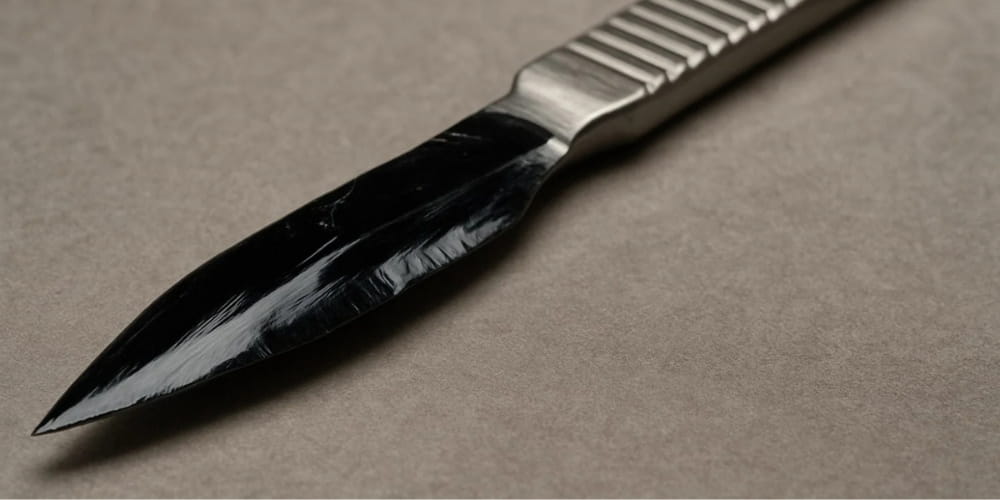
The first step in making a knife is selecting the right materials for your project. The choice of metal for the blade directly influences the knife's performance. For example, stainless steel is corrosion-resistant and easy to maintain, making it an ideal option for food preparation. On the other hand, carbon steel, while sharper, requires more rigorous maintenance to prevent rust. If you're looking for a unique visual effect, opt for Damascus steel, which combines multiple layers for increased strength and a distinctive pattern. Finally, ceramic offers a durable edge but is fragile and susceptible to damage from impacts.
For the handle, you can choose wood for its natural look, a synthetic material for its resistance to moisture, or metal for its durability and modern design. Choosing the right materials will ensure a knife that is beautiful, efficient, and long-lasting.


2. Draw and cut out the blade
Once you've chosen your materials, the second step in making a knife is to define the shape of the blade. Start by drawing a precise template, taking into account its intended use. Whether for cooking, bushcraft, or collecting, the blade's shape will influence the knife's handling and effectiveness.
Next, cut the rough blade from a sheet of steel. Use a hacksaw for simple shapes or a laser cutter if you have access to more advanced equipment. Be sure to stay true to the design to ensure optimal balance. This step lays the foundation for your knife, so it's crucial to remain precise and methodical.
3. Forge the blade
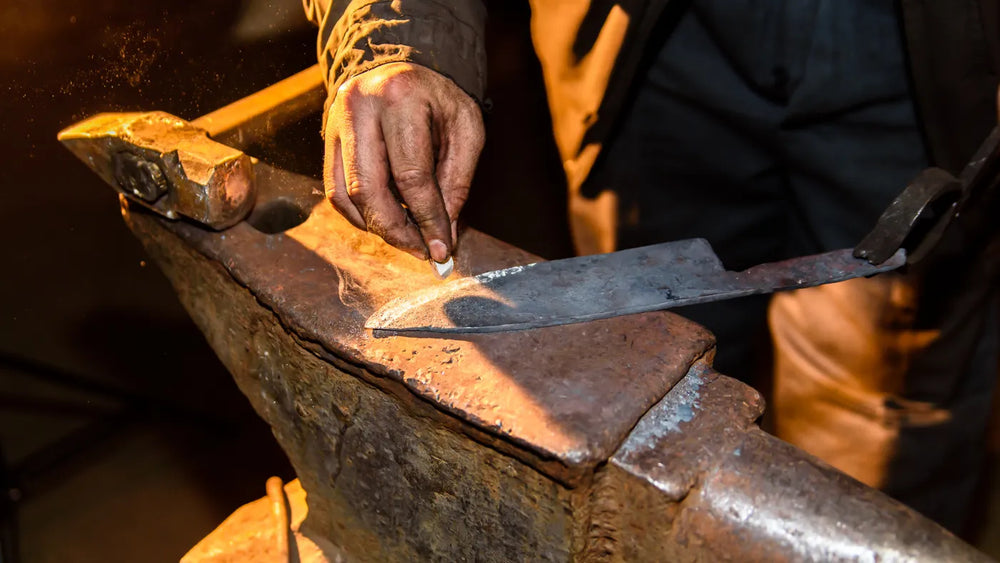
To give your knife its character, the next step is forging . Heat the metal to approximately 1000°C until it becomes malleable. This allows you to work it effectively. Using a hammer and anvil, shape the blade, respecting the initial design. The goal is to achieve a balanced profile and uniform thickness.
This step requires patience and a certain technique. The more precise your strokes, the more symmetrical and comfortable the blade will be. Furthermore, forging helps strengthen the metal's molecular structure, improving your knife's durability.
4. Apply the heat treatment
Heat treatment is essential for making a quality knife. Start with hardening: heat the blade to a critical temperature, then quickly plunge it into oil or water. This thermal shock hardens the metal, making the blade much more resistant to wear.
Next, proceed to tempering. This process involves reheating the blade to a lower temperature to reduce the brittleness caused by hardening. Tempering adds a degree of flexibility, essential for preventing breakage. Proper heat treatment ensures a perfect balance between hardness and elasticity, two indispensable qualities for a reliable knife.
5. Sharpen and polish the blade
The next step in crafting a good knife is to sharpen and polish the blade . Start with coarse-grit stones or grinding wheels to create the edge. Then, use finer grits to achieve a clean, precise cut. Remember to sharpen at a consistent angle for an even result.
After sharpening, move on to polishing. This step not only improves the appearance but also reduces friction during use. A well-polished blade glides more smoothly through materials, improving its efficiency. Proper sharpening extends the life of your knife and makes daily maintenance easier.
6. Assemble the handle
Assembling the handle is the penultimate step. Insert the blade tang into the chosen handle material, then secure it firmly with rivets or a metal-specific adhesive. This attachment must be robust to ensure safety during use.
Next, adjust the shape of the handle by sanding it so that it fits comfortably in your hand. Finally, polish it for a finish that is pleasing to the touch and to the eye. A well-made handle offers a comfortable grip and improves the precision of your movements. It perfectly complements the knife, both functionally and aesthetically.
7. Finalize the finishing touches
To make a good knife, the finishing touches must not be neglected. Check the balance between the blade and the handle: a well-balanced knife reduces hand fatigue and offers greater precision. Also examine small details such as the edges, transitions, and join lines.
Adjust as needed with a file or sandpaper. This final step optimizes ergonomics, ensures safe use, and enhances your creation. By taking the time to add these finishing touches, you guarantee a unique, well-designed, and fully functional knife.
Comparative table of materials for making a knife
| Element | Option | Benefits | Disadvantages |
|---|---|---|---|
| Blade | Stainless steel | Rust-resistant, easy to maintain | Less sharp than carbon |
| Carbon steel | Very sharp, easy to sharpen | Rust without regular maintenance | |
| Damascus steel | Aesthetically pleasing, durable, unique | Higher cost | |
| Ceramic | Durable, lightweight cutting edge | Breaks easily upon impact | |
| Sleeve | Drink | Authentic, warm to the touch | Can absorb moisture |
| Synthetic | Water resistant, durable | Less aesthetically pleasing | |
| Metal | Modern, sturdy | Cold and sometimes slippery |
Making a knife allows you to create an object that is both functional and personalized. By following these steps, you will obtain a quality tool that reflects your skill and preferences. Thanks to a good choice of materials and careful craftsmanship, you can make a knife that is as efficient as it is beautiful, perfectly suited to your needs.
FAQ
Can I make my own knife?
Yes, you can make your own knife provided you follow the technical steps and safety rules. Many enthusiasts do it as a hobby or profession.
What type of steel is used to make a knife?
Carbon steel is excellent for making a very sharp knife, but stainless steel is easier to maintain.
What is the best material for making a knife?
The best material depends on the intended use: Damascus steel is ideal for aesthetics and strength, while stainless steel is better suited for food use.


This site is protected by hCaptcha and the hCaptcha Privacy Policy and Terms of Service apply.