

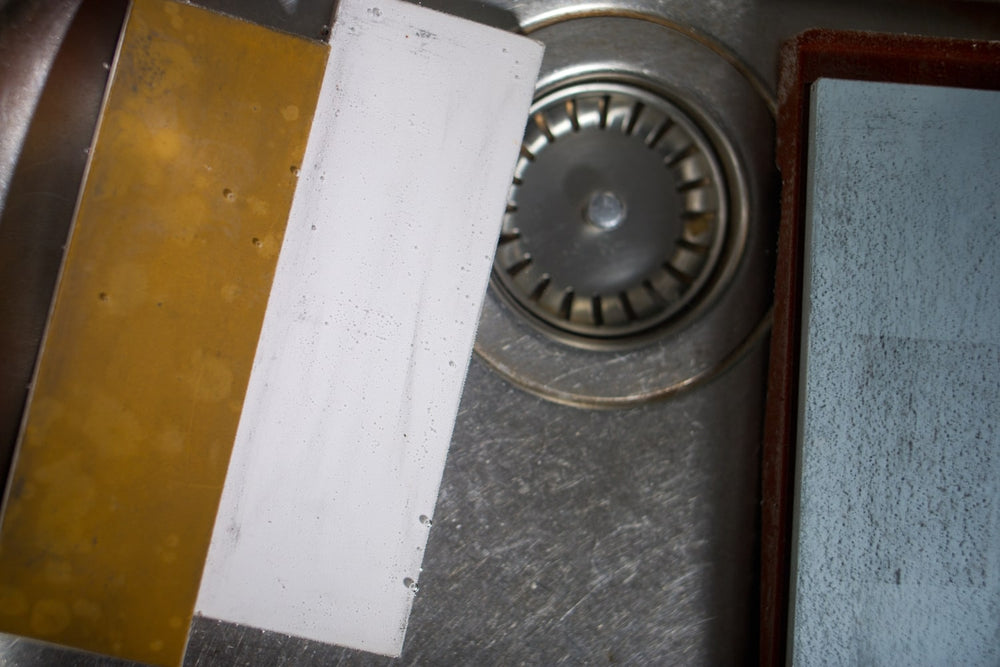
The 5 types of sharpening stones: choose your tool
Ready to sharpen your knives and tools? Then you first need to know the different types of sharpening stones available. Each type has its own characteristics, advantages, and disadvantages. Choosing the right stone is the first step toward a perfect edge.
1. Waterstones
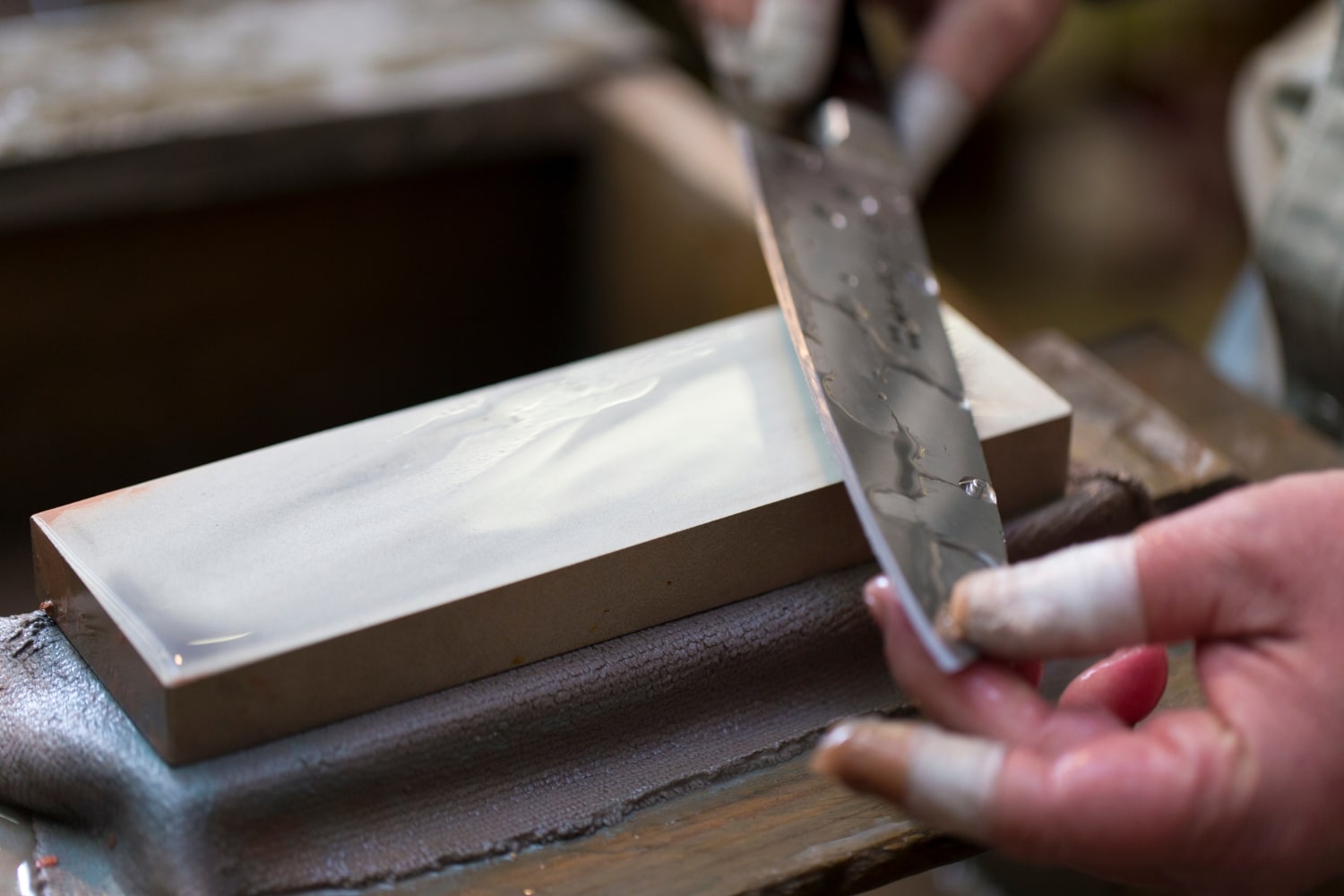
Water stones are extremely popular, especially among Japanese knife enthusiasts. You must immerse them in water for several minutes (sometimes up to 15-20 minutes depending on the stone) before using them, until they stop bubbling.
- Advantages : They produce a fine abrasive slurry that allows for very fast sharpening and exceptional polishing. They offer a smooth sharpening feel and prevent the blade from overheating, which is crucial for hard steels.
- Disadvantages : They require regular soaking and maintenance. You will need to flatten them frequently, as they tend to develop hollows with use. They are also more fragile than other types of stones.
- Ideal for : Kitchen knives, especially Japanese knives, and for achieving a razor-sharp edge.


2. Oilstones
Oilstones are more traditional stones, often made from Novaculite (a sedimentary rock). As their name suggests, you use oil (mineral or whetstone oil) as a lubricant during sharpening.
- Advantages : They are extremely durable and resistant to wear. They require less maintenance and polishing than water stones. Once oiled, they can remain ready for use.
- Disadvantages : Sharpening is generally slower and the finish less refined than with water stones. The oil can also be a bit messy and leave an odor.
- Ideal for : Pocket knives, woodworking tools, hunting knives and for those who prefer a robust solution requiring less immediate maintenance.
3. Diamond stones
Diamond stones are made from industrial diamond particles embedded in a metal surface. They are the hardest of all sharpening stones. You can use them dry or with water.
- Advantages : They sharpen very quickly, even the hardest steels and ceramics. They never dig in and never need to be flattened. They are extremely durable.
- Disadvantages : They are often more expensive than other types. The sharpening sensation can be less smooth, and they can slightly scratch the blade if you are not careful, especially with coarse grits.
- Ideal for : All types of knives (steel, ceramic), very dull or damaged tools, and for flattening other types of stones.
4. Ceramic stones
Ceramic stones are very hard and thin synthetic stones. They do not require soaking and are often used dry, but you can also add a little water to clean the surface.
- Advantages : They offer a very fine finish and exceptional polishing. They are clean for use and require almost no maintenance (no flattening required most of the time).
- Disadvantages : They are generally used for finishing, as their coarse grit is less effective than other grits. They can be more fragile and break if dropped.
- Ideal for : Finishing and polishing knives, and for regularly sharpening already sharpened knives.
5. Natural stones
Although less common for beginners, there are also natural stones , such as Pyrenees stone (Belgian Coticule) or Arkansas stone. These are extracted directly from quarries.
- Advantages : They offer a unique sharpening quality and a pleasant feel. Some can be used dry or with water/oil.
- Disadvantages : They are often very expensive. Their grain consistency can vary, and they require some expertise to use optimally.
- Ideal for : Collectors, craftsmen and those seeking a traditional and very high quality sharpening experience.
The choice of stone type will depend on your needs, personal preferences, and budget. You could even combine different types of stones to achieve the best results. Do you already have an idea of which type of stone would best suit your tools?



This site is protected by hCaptcha and the hCaptcha Privacy Policy and Terms of Service apply.