

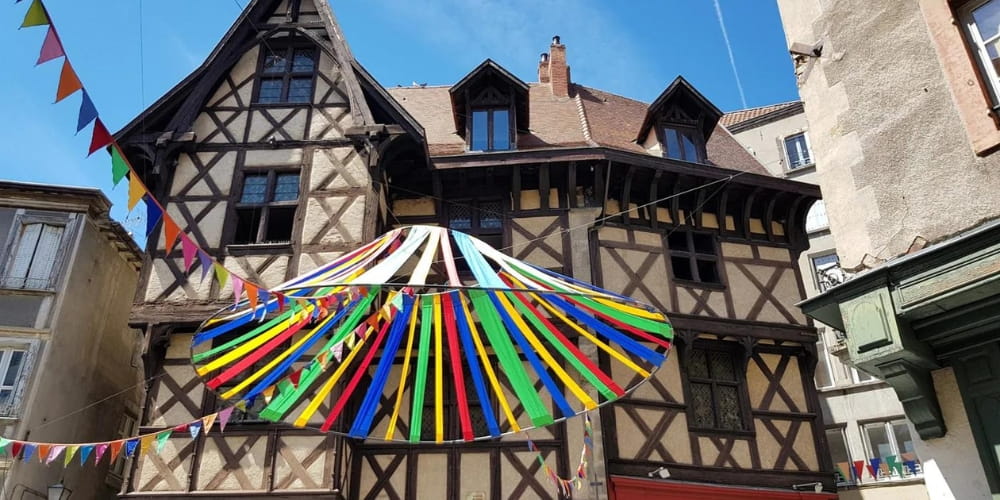
Thiers: world and historical capital of cutlery
Thiers, in Puy-de-Dôme, is the world and historical capital of cutlery, producing approximately 80% of French cutting instruments. With over 600 to 800 years of expertise, the city gathers artisans and businesses specializing in the Durolle valley. It hosts the prestigious international trade show Coutellia and the Cutlery Museum.
Thiers: World Capital of Cutlery
Thiers stands as the nerve center of French cutlery, accounting for approximately 80% of national production. This supremacy is based on a centuries-old tradition, beginning in the 14th century, strategically exploiting the hydraulic power of the Durolle river. The city remains a major industrial hub today, merging artisanal heritage with technological innovations.


The Industrial Heritage of the Valley of Factories
The development of Thiers is inseparable from the “Valley of Factories.” This particular topography allowed for the exploitation of the motive force of the Durolle to power grindstones and forges. This historical anchoring has structured the urban landscape and forged a unique industrial identity, transforming a geographical constraint into a global competitive advantage.
Production Ecosystem and Specialized Expertise
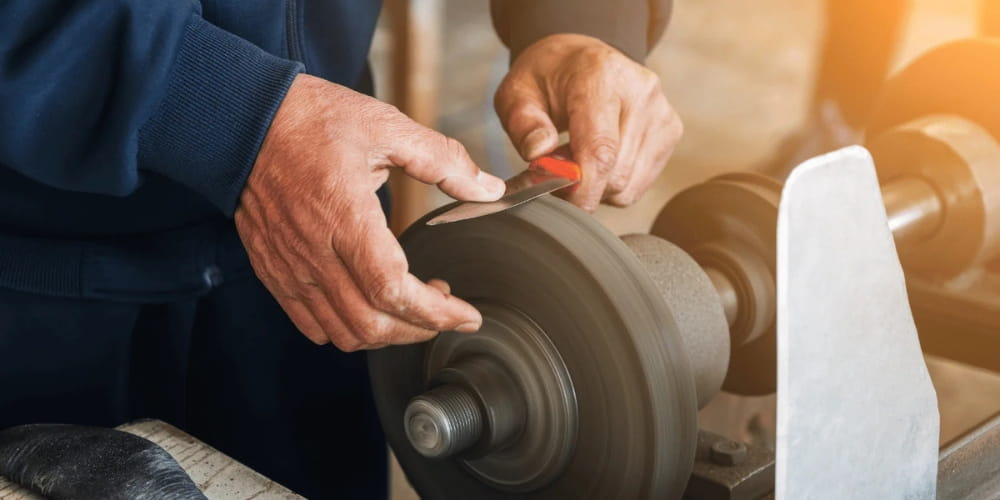
The strength of the Thiers basin lies in a highly specialized ecosystem. Each company focuses on a precise step in the value chain: forging, grinding, polishing, or final assembly. This segmentation of labor ensures exceptional technical expertise for each component, fostering unparalleled production quality in the international market.
Diversity of Ranges and Emblematic Knives
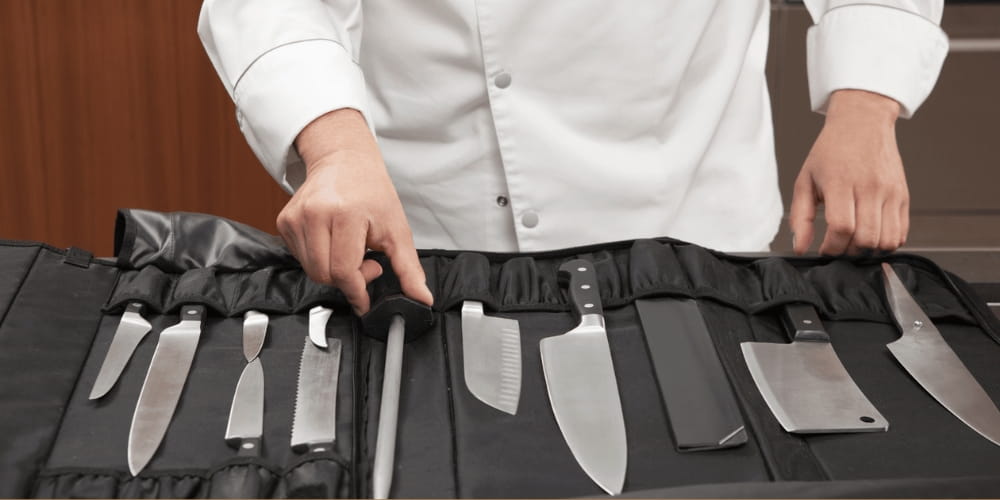
Thiers excels in diversified production, ranging from art knives to professional kitchen tools. The city is the birthplace of iconic models such as the Le Thiers® knife, the Laguiole, and ETCH. This ability to maintain regional standards while meeting modern demands ensures the sustainability of local craftsmanship.
Transmission and Sustainability of Know-How
With nearly 2,000 dedicated jobs, the cutlery sector supports the local and regional economy. The presence of a museum dedicated to cutlery underlines the importance of heritage preservation. Historic companies, such as Au Sabot, and cultural institutions work together to perpetuate ancestral gestures while modernizing manufacturing methods.


This site is protected by hCaptcha and the hCaptcha Privacy Policy and Terms of Service apply.