

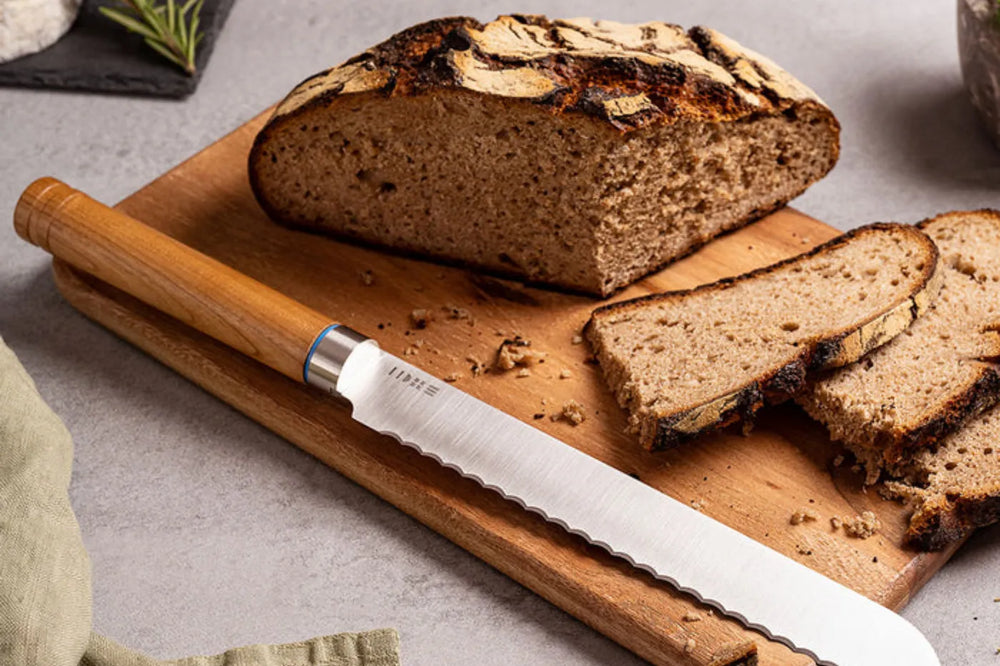
5 best materials for a knife handle
The most popular handle materials are hardwood, Micarta, G10, stainless steel, and horn or bone. Each combines style and performance: the warm charm of wood, the robustness of composites, the modern look of metal, or traditional authenticity. The choice depends on the intended use, whether for cooking, outdoor activities, collecting, or handcrafted cutlery.
A knife handle isn't just about aesthetics; it plays a key role in grip, safety, and the tool's longevity. In the study of knife anatomy , the handle emerges as a central element that influences balance, comfort, and functionality. Blending tradition and innovation, certain materials stand out, each offering its own advantages. Here are the five best materials for a knife handle.
1. Noble wood
Wood remains a reliable choice in cutlery. Whether it's cherry , olive, or walnut, it brings warmth, elegance, and a comfortable feel. Easy to work with and prized for its natural charm, it nevertheless requires regular maintenance to withstand moisture.


2. The Micarta
Micarta, a composite material made of resin and compressed canvas or paper, is prized for its robustness and stability. Waterproof and heat-resistant, it offers excellent grip, making it an ideal choice for both kitchen and outdoor knives.
3. The G10
Made from layers of fiberglass bonded with resin, theG10 is lightweight, strong, and virtually indestructible. Its non-slip texture ensures a perfect grip, even in wet conditions. It's a favorite among tactical and outdoor knives.
4. Stainless steel
Stainless steel or metal alloys offer a modern look and durability. These handles are resistant to impacts, moisture, and wear. However, they can be heavier and slippery unless textured or finished to improve grip.
5. The horn and the bone
Traditional and emblematic materials of handcrafted cutlery, horn and bone are prized for their authenticity and unique appearance. Each piece is different, lending it an incomparable character. More susceptible to humidity variations and impacts, they appeal to collectors of knives.
Comparative table of knife handle materials
| Material | Main features | Recommended uses |
|---|---|---|
| Noble wood | Warm, aesthetically pleasing, comfortable but sensitive to humidity | Kitchen knives, handcrafted, collectible |
| Micarta | Durable, waterproof, good adhesion | Kitchen knives, outdoor |
| G10 | Lightweight, very strong, non-slip | Outdoor and tactical knives |
| Stainless steel | Durable, modern, wear-resistant but heavier | Professional knives |
| Horn / bone | Authentic, unique appearance but fragile | Handcrafted knives, collection |
Conclusion
The choice of material depends primarily on the intended use: a handle made of wood or horn will appeal for its authenticity and charm, while Micarta, G10 or metal will be better suited to those who prioritize robustness and practicality.
FAQ – Frequently Asked Questions
Which handle material is the most durable?
G10 and Micarta are among the most resistant, perfect for intensive and regular use.
What material should I choose for a kitchen knife?
Wood remains an aesthetic and comfortable classic, but Micarta offers more practicality in the face of humidity.
Are horn or bone handles suitable for everyday use?
They are especially suitable for collector's knives: authentic and elegant, but more sensitive to shocks and humidity.
Is a metal handle comfortable to use?
Yes, especially if its surface is textured, but it can feel heavy during prolonged use.
Which material provides the best adhesion?
The G10 and Micarta offer excellent grip, even with wet or greasy hands.


This site is protected by hCaptcha and the hCaptcha Privacy Policy and Terms of Service apply.