

Cutting techniques in the kitchen: 10 essential techniques
Cutting is an essential skill for any cook, amateur or professional. Learning to master different techniques like brunoise, julienne, or slicing not only improves the presentation of your dishes but also ensures even cooking. Discover these indispensable cuts to transform your culinary creations.
Brunoise – The Tiny Cubes

Brunoise involves cutting vegetables into small cubes, approximately 2 to 3 mm on each side. Use this cut in cooking for sauces, soups, or garnishes. It is ideal for vegetables such as carrots, zucchini, or celery.
To make a perfect brunoise, start by slicing your vegetables thinly, then into batons, before finally dicing them into small cubes. This technique, while a little meticulous, guarantees an elegant and uniform presentation.


Julienne – Thin and elegant sticks

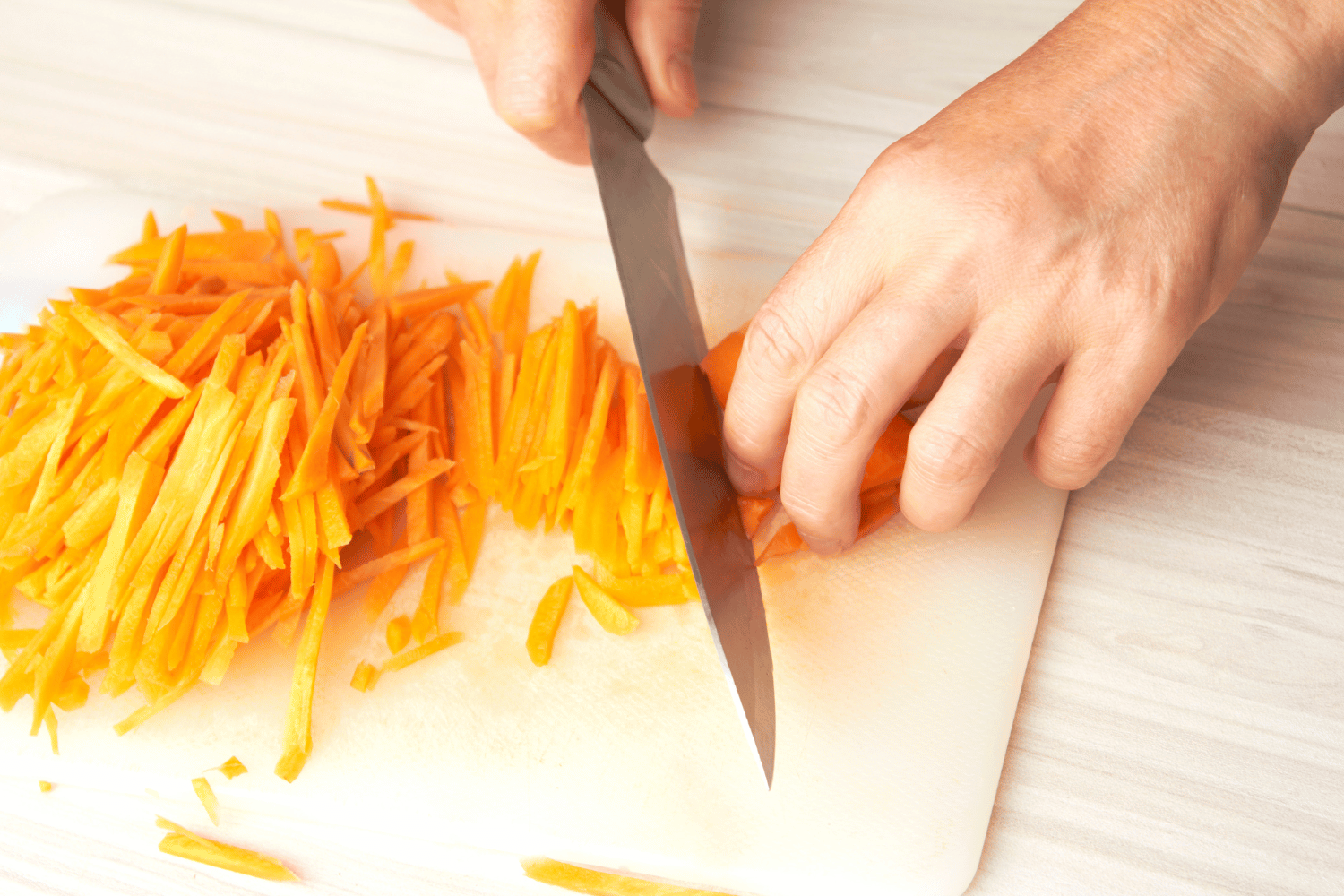
Julienne is a thin cut into strips 4 cm long and 1 to 2 mm thick. It is ideal for vegetables such as carrots, leeks, or turnips. This method allows for quick cooking while preserving the crispness of the vegetables.
To make julienne, first slice your vegetables thinly, then cut them into even strips. Julienne is ideal for salads, stir-fries, or as a garnish.
Sliced – The art of finesse

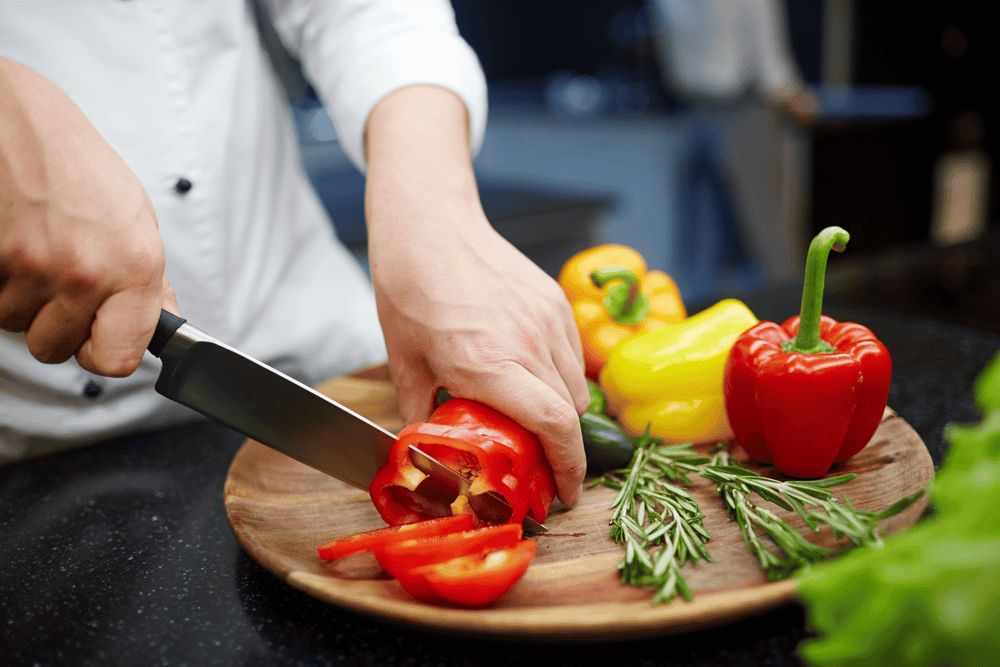
Slicing involves cutting vegetables or meat into thin strips. Use this technique in cooking for quick dishes like stir-fries or casseroles. Vegetables such as onions, garlic, or bell peppers are often sliced for even cooking.
To slice properly, make sure to hold a sharp knife and slightly curl your fingers for optimal safety. The slices should be uniform to ensure an attractive presentation and even cooking.
Chiffonade – For light herbs

Chiffonade is a technique that involves rolling vegetable or herb leaves and slicing them into thin strips. Use it for herbs like basil or mint, or for leafy greens like lettuce.
Roll your leaves into small, tight rolls, then cut them into thin strips. Chiffonade is ideal for garnishing dishes or adding a touch of freshness to a salad.
Macedonia – Medium cubes

Macedoine is a cut of vegetables into 5 mm cubes, often used in mixed salads or as a vegetable garnish. Vegetables such as carrots, turnips, and peas are frequently cut this way to create colorful and harmonious combinations.
To make a mixed vegetable salad, start by cutting the vegetables into sticks, then dice them into even cubes. This technique ensures even cooking and a nice presentation.
Mirepoix – The base of sauces

Mirepoix is a mixture of coarsely diced vegetables, generally used as an aromatic base in sauces, broths, and stews. This mixture traditionally includes carrots, celery, and onions.
Dice your vegetables into approximately 1 cm cubes to incorporate them into your stews. This cutting technique is essential for enhancing the flavors of your dishes without compromising their texture.
Peasant's Cut – Rustic Cutting

The peasant-style cut involves slicing vegetables into flat, irregular pieces, generally used for soups or stews. Vegetables like potatoes, carrots, and zucchini are well-suited to this technique.
Slice your vegetables, then cut them into triangles or diamonds. This quick and easy method adds a rustic and authentic touch to your dishes.
Sticks – Simplicity and efficiency

Vegetable sticks are pieces of vegetable cut into long strips 4 to 5 cm long and about 1 cm wide. They are often used for fries, crudités, or as a preliminary step before other cutting in cooking.
Cut your vegetables into even slices, then cut them into sticks. This easy cut is perfect for appetizers or more elaborate dishes.
Vichy – Elegant washers

The Vichy cut involves slicing vegetables into even rounds about 3 to 4 mm thick. It's especially useful for carrots or zucchini, which are often steamed or sautéed.
To obtain even slices, cut your vegetables perpendicular to their length. This simple technique offers an elegant presentation and is perfect for classic vegetable dishes.
Dice – Classic Cubes

Diced meat consists of uniform cubes approximately 1 cm on each side, often used in salads, gratins, or soups. This method of cutting ensures even cooking and an appealing presentation.
To make dice, first cut your vegetables into thick slices, then into sticks, before dicing them again. Diced vegetables add a neat and professional touch to your dishes.
Mastering these 10 cutting techniques in the kitchen will allow you to prepare more beautiful and balanced dishes. Each cut brings a different texture, adapted to your needs. So, grab your knife and start practicing these simple techniques to improve your culinary creations !


This site is protected by hCaptcha and the hCaptcha Privacy Policy and Terms of Service apply.