

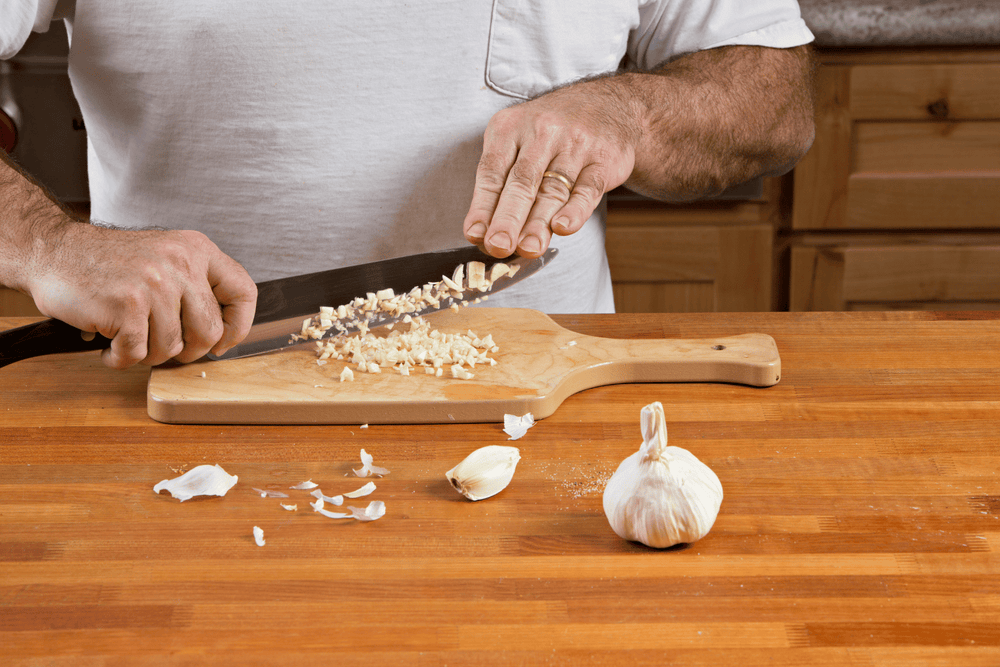
How to slice
Wondering how to slice precisely and quickly? If so, you've come to the right place. With the right method, slicing becomes child's play, whether it's meat, vegetables, or even fruit. Follow these simple steps and transform your ingredients into thin, even slices, ready to cook in no time!
What does it mean to slice?
First, let's clarify what slicing means. This term refers to the act of cutting food into thin, even slices. You can slice meats, vegetables, fruits, or even herbs. This technique not only ensures even cooking but also allows you to present your dishes elegantly.


The step-by-step technique
1. Prepare your work surface
Before you begin, it's essential to organize your workspace. Place a stable cutting board on the surface and ensure it doesn't slip by placing a damp cloth underneath. This simple trick prevents many accidents. Furthermore, a clear work surface allows you to work efficiently.
2. Position the food correctly
Next, take the food you want to slice. If you're working with vegetables like onions or peppers, start by cutting them in half to create a flat base on the cutting board. This will give you more stability. If it's meat, make sure the pieces are spread out to make slicing easier.
3. Adopt the claw technique
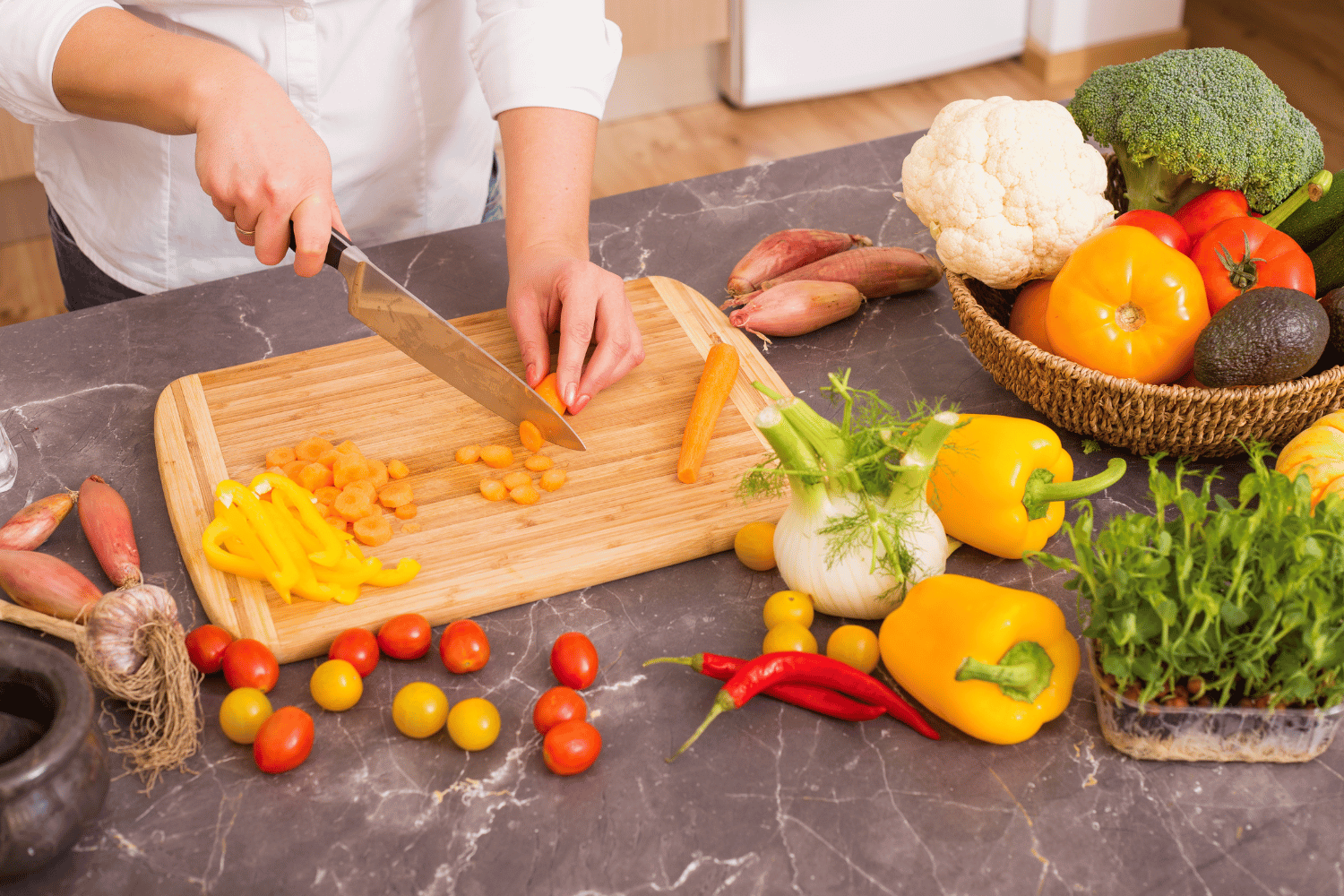
It's crucial to protect your fingers by holding food correctly. Use the "claw" technique: gently curl your fingers inwards and let your knuckles guide the knife. This allows you to slice without risking injury. You'll have perfect control while cutting your slices.
4. Cut into thin, even slices
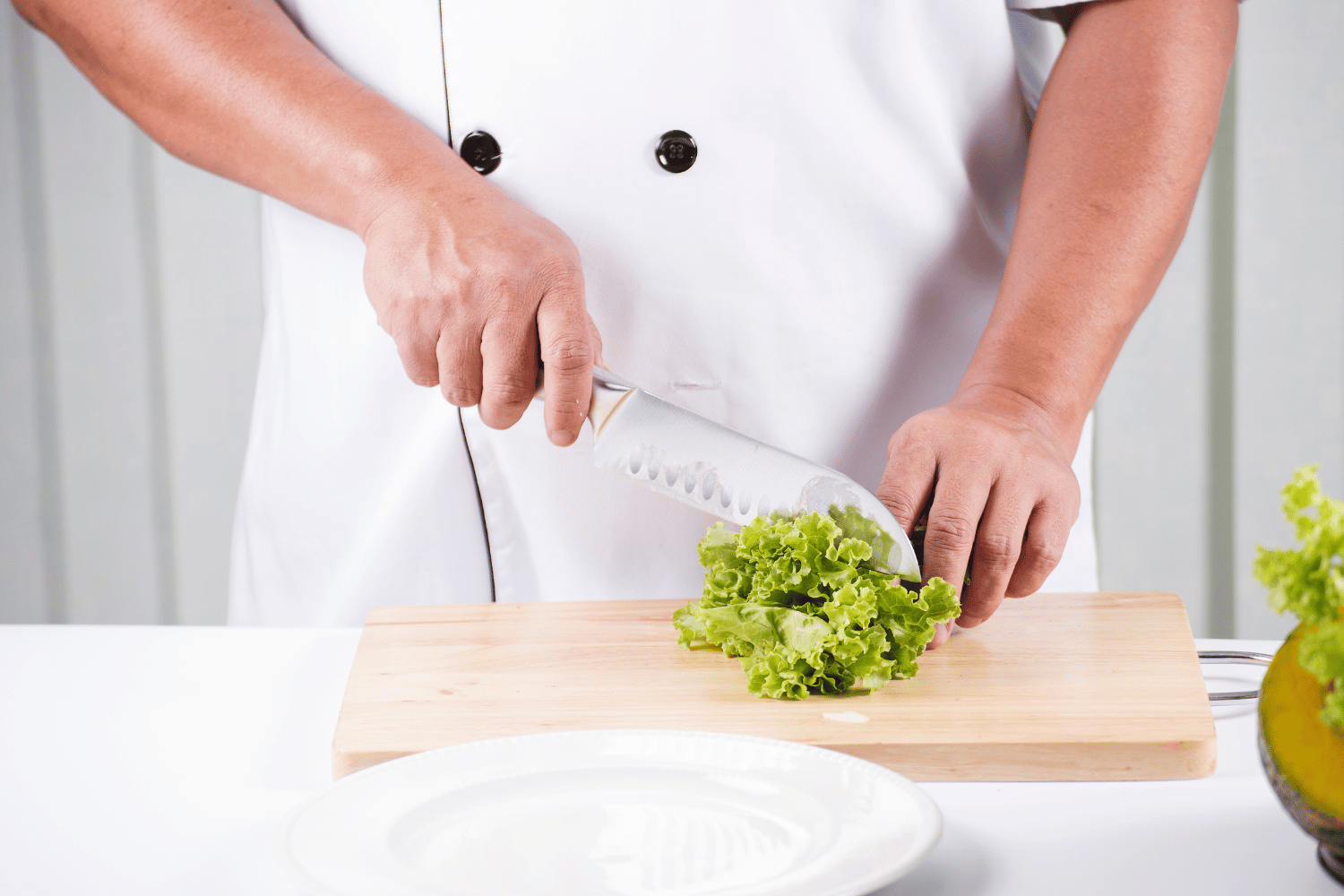
Now, let's get down to the actual slicing. Whether you're slicing meat or vegetables, the goal is to get even slices. To do this, glide the knife along the grain with a smooth, fluid motion, maintaining consistent pressure. When slicing meat, always cut against the grain to ensure tender slices that cook evenly. And for vegetables like carrots or zucchini, create thin strips by slightly tilting the blade.
5. Practice quick but precise cutting
Finally, while speed comes with experience, it's important to focus on precision above all else. Start slowly to master the technique. Once you feel comfortable, you'll see that speed will naturally follow. Soon, slicing will become an instinctive skill in your kitchen, and your dishes will gain in finesse.
Additional tips for different types of food
For the meat : Remember that slightly cold meat is easier to slice. If it's too tender, let it rest in the freezer for 15 to 20 minutes before slicing. This will give you clean, even slices.
For vegetables : When dealing with vegetables like peppers or zucchini, first cut them in half, then slice them into thin strips. This ensures uniform pieces and, above all, speeds up the process.
For onions : If you're chopping onions and you get tired of crying, try putting them in the refrigerator for a few minutes before chopping them, or chopping them under running water. This will significantly reduce the effect of the irritating fumes.
Why mincing properly is important
You might be wondering why mastering this technique is so important? Simply because uneven cutting leads to uneven cooking. Take sliced chicken, for example: if your slices aren't uniform, some pieces will cook too quickly and become dry, while others will remain undercooked. By following this method, you'll avoid these problems and your dishes will be perfectly cooked every time.
Furthermore, a well-executed cut also enhances the aesthetics of your dish. Thin, even slices add a professional touch to your presentation, and it's always pleasing to the eye (and to the palate).
Conclusion
Now that you know all the tricks for perfect slicing, all that's left is to practice. Whether you're preparing delicious chicken and mushroom slicing or chopping vegetables for a stir-fry, you now have all the tools you need thanks to this cutting technique and yourkitchen knives . So, what food will you slice first?


This site is protected by hCaptcha and the hCaptcha Privacy Policy and Terms of Service apply.