

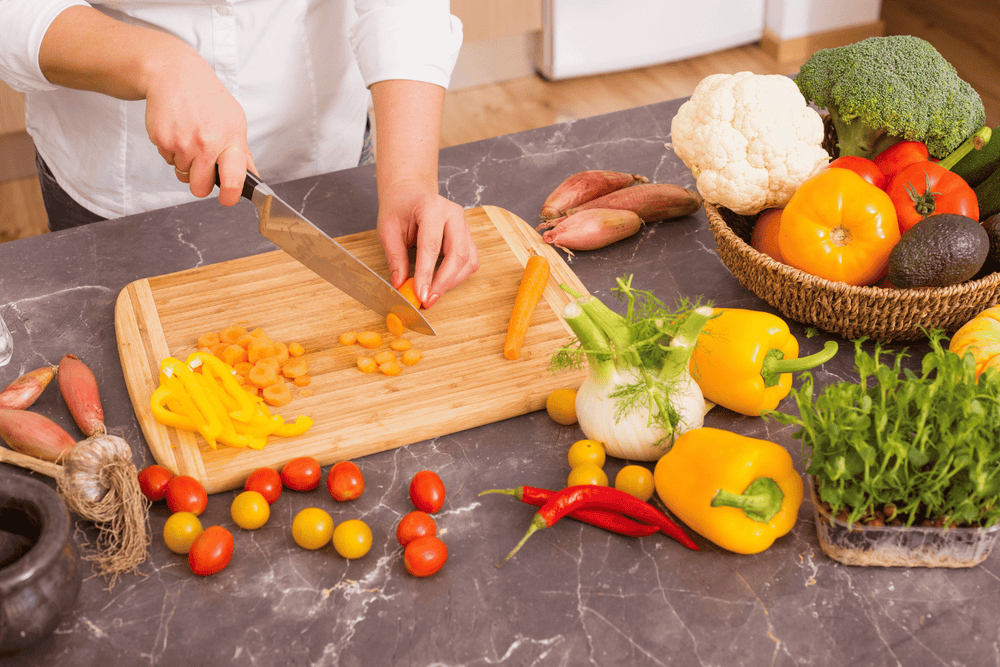
How to cut into a salad
Dicing vegetables into small cubes is an essential culinary technique for creating beautiful, uniform pieces of fruit or vegetables, often used in salads or as garnishes. You might be wondering: why is it important to learn this technique? Well, whether you're a passionate cook or simply curious to improve your skills, mastering dicing will add a professional touch to your dishes. And don't worry, it's much simpler than it looks!
What is macedonia?
Before diving into the steps, it's helpful to understand what "macedoine" really means. This technique involves cutting vegetables or fruits into small, even cubes, usually about 5 to 8 mm on each side. Imagine these colorful little cubes of carrots, potatoes, green beans, or zucchini adding texture and visual appeal to your dishes.
Mixed vegetables are often found in salads, like the famous mixed vegetable salad served with mayonnaise, or as a garnish in hot dishes. You may have already seen diced vegetables in soups or stir-fries—it's a versatile technique!


Step 1: Prepare your vegetables
To begin, choose the vegetables you wish to dice. These could be carrots, turnips, potatoes, or zucchini. Wash them thoroughly under cold water to remove any dirt or impurities. Then, peel the vegetables with a vegetable peeler if necessary (for example, the carrots and potatoes).
Step 2: Cut into sticks
Here's a little tip: before you can dice your vegetables, you first need to cut them into sticks . To do this, start by cutting your vegetables into sections (about 5 cm long). Then, cut each section into thin strips about 5 mm thick. This is the stage where you're getting closer to the perfect cut.
If you're having trouble maintaining uniformity, don't get discouraged! With a little practice, you'll have perfect sticks in no time.
Step 3: Cut into small cubes
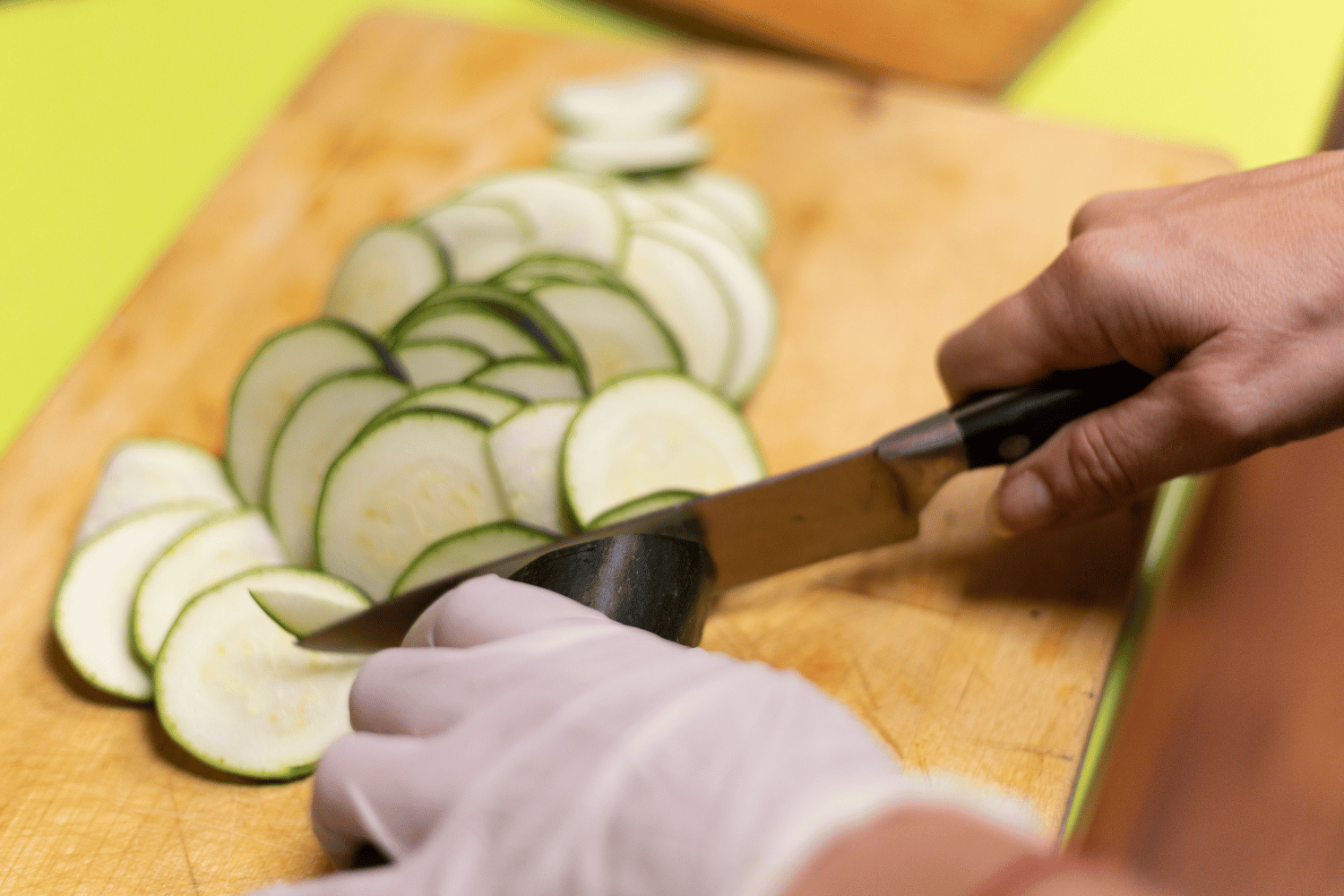
Once you have your sticks, it's time for the final step: cutting them into small cubes . Carefully line up your sticks on the cutting board and cut them perpendicularly to obtain even cubes with 5 mm sides.
A tip: to prevent the sticks from moving around too much, hold them firmly together with your free hand while cutting precisely. You'll see that each vegetable transforms into small, even cubes—it's almost satisfying, isn't it?
Additional tip: cooking
If you're preparing a mixed vegetable salad, pay close attention to the cooking time. The key is to cook each vegetable separately (carrots, potatoes, green beans, etc.) so they're tender but still firm. There's nothing worse than overcooked vegetables that lose their texture! Once cooked, rinse them under cold water to stop the cooking process and preserve their vibrant colors.
The finishing touch
Now that you know how to dice vegetables, you can use this technique in many recipes. How about a homemade mixed vegetable salad , served with a light mayonnaise or vinaigrette? It's the perfect side dish for a summer meal or as a refreshing starter. You can also try incorporating diced fruit into desserts or sweet salads to surprise your guests.
As a chef I know well often says, "Consistent cutting is the key to a successful dish." And I couldn't agree more. By following these steps, you not only bring aesthetic precision to your dishes, but also more even cooking.
Conclusion
Mastering the art of dicing is a basic cooking skill, but it makes all the difference in the look and texture of your dishes. By following these simple steps—washing, cutting into sticks, then into cubes—and using the right cutting techniques with your kitchen knives , you can transform ordinary vegetables into true culinary works of art. So, ready to grab your knife and get started on your dicing? I'm sure your guests or family will be impressed by your culinary skills!
And you, which vegetable will you dice first?


This site is protected by hCaptcha and the hCaptcha Privacy Policy and Terms of Service apply.