


How to recognize a real Vendetta knife
To recognize a genuine Vendetta knife, an iconic Corsican model primarily made in Thiers, France, carefully examine its physical characteristics and artisanal origins. This slipjoint folding knife, inspired by the 19th-century Genoese stiletto, is often counterfeited, but originals are distinguished by impeccable craftsmanship and specific details.
distinctive shape
The genuine Vendetta has a sleek, wasp-waisted silhouette: a straight, tapered handle (approximately 12 cm) with a solid stainless steel bolster featuring a wide, pronounced lower step, which facilitates gripping and prevents slippage. This unique shape, instantly recognizable, is absent from low-end imitations, which often appear squat or disproportionate. The blade, approximately 10-11 cm long, is precisely curved and tapered, offering a long-lasting edge.


Materials and finishes
Opt for handles made of fine materials such as olive wood, ebony, horn, or coral, with hand-carved, inlaid, or guilloché designs – avoid low-grade plastics or resins that betray fakes. The blade is made of high-grade steel (such as Sandvik 12C27 stainless or carbon steel for a natural patina), often engraved with "Vendetta Corsa" or a vengeful Corsican/Italian motto.
Check the finely forged and chiseled spring (sometimes engraved with "Corsica"), the secure detent mechanism (it won't open or close without pressure), and the serial number or manufacturer's mark (e.g., Au Sabot, Zuria, Fontenille-Pataud). The joints are hand-fitted, with no play or burrs.
Origin and purchase
An authentic knife comes from renowned French cutlers (Thiers or Corsicans like Ceccaldi), with 100% handcrafted production – ask for the certificate of origin or traceability information. Buy from specialists (cutlery shops, not general websites) and avoid prices that are too low (from €90-100 for a basic model, more for Damascus or luxury knives). Check for a balanced weight (around 100-150 g) and the absence of rapid corrosion.
Practical tests
- Open and close several times: a real one has a clean "click", without any play, and the blade aligns perfectly without wobbling.
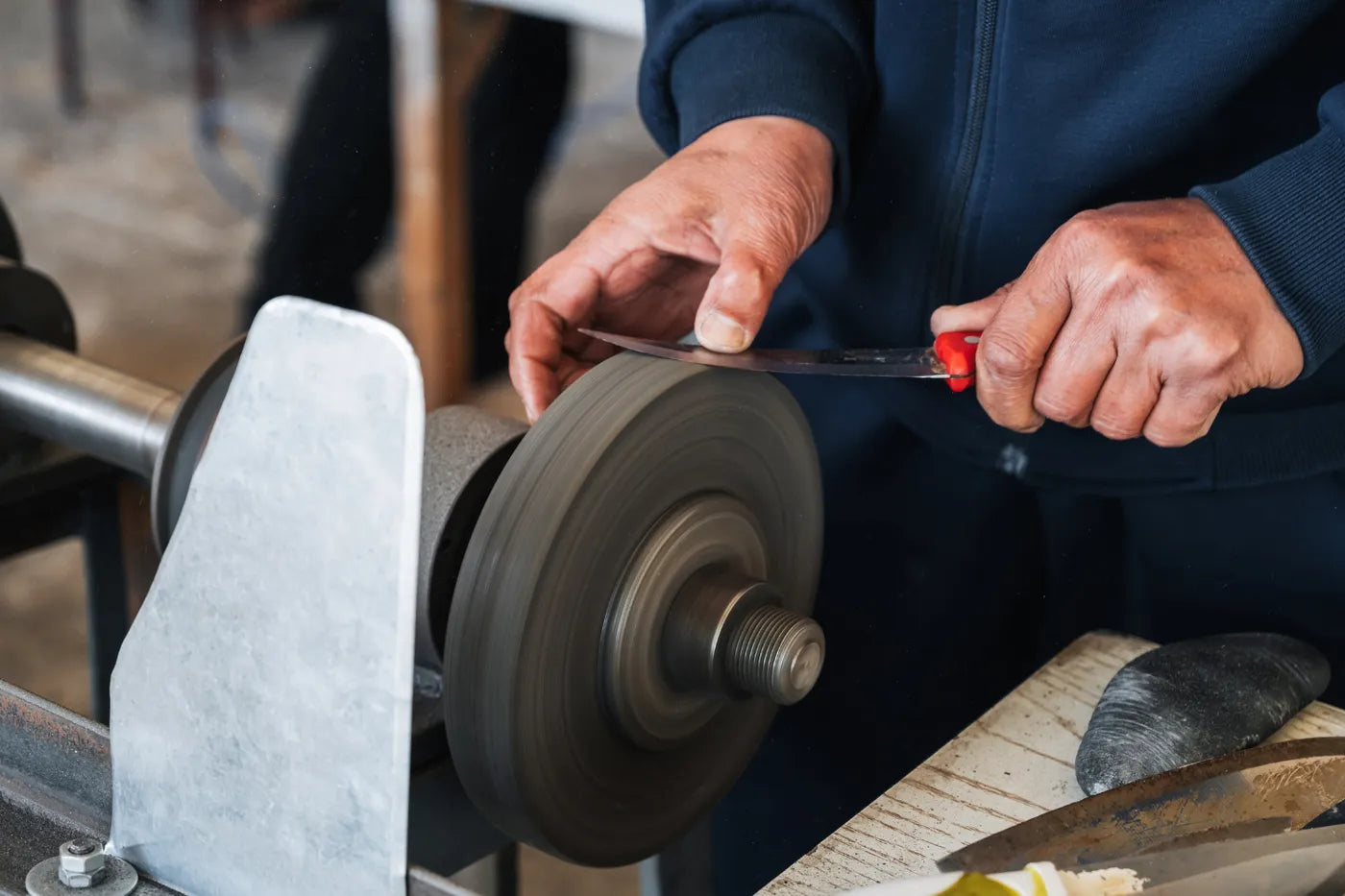
- Sharpen it: it quickly regains its edge thanks to its careful grinding.
- Check the engravings: if the finishes look printed or irregular, that's suspicious.
- For collectors: look for limited editions with an engraved Moor's head.


This site is protected by hCaptcha and the hCaptcha Privacy Policy and Terms of Service apply.