


How to cut into a mirepoix
Dicing vegetables into mirepoix is an essential skill for any cook, whether amateur or professional. If you've ever wondered how to achieve those lovely, perfectly uniform little cubes of vegetables, you've come to the right place. Whether you're preparing a soup, a stew, or a broth, mastering this technique can truly make a difference in the presentation and cooking of your dishes. So, ready to dice vegetables like a pro? Follow the guide!
What is mirepoix?
Let's start by defining this somewhat technical term. Mirepoix is simply a uniform dicing of vegetables—usually onions, carrots, and celery—into small cubes about 1 cm on each side. This uniform size ensures even cooking and optimal flavor distribution. Mirepoix is often used as an aromatic base in soups, sauces, and broths.


Step 1: Prepare your vegetables
First, choose the right vegetables. Traditionally, mirepoix consists of onions, carrots, and celery in a 2:1:1 ratio. If you're ready, start by thoroughly washing and peeling your vegetables. It seems obvious, but hygiene in the kitchen is paramount!
A little personal tip: I like to keep the peelings to add to my homemade broths. Nothing is wasted, everything is transformed!
Step 2: Cutting the carrots
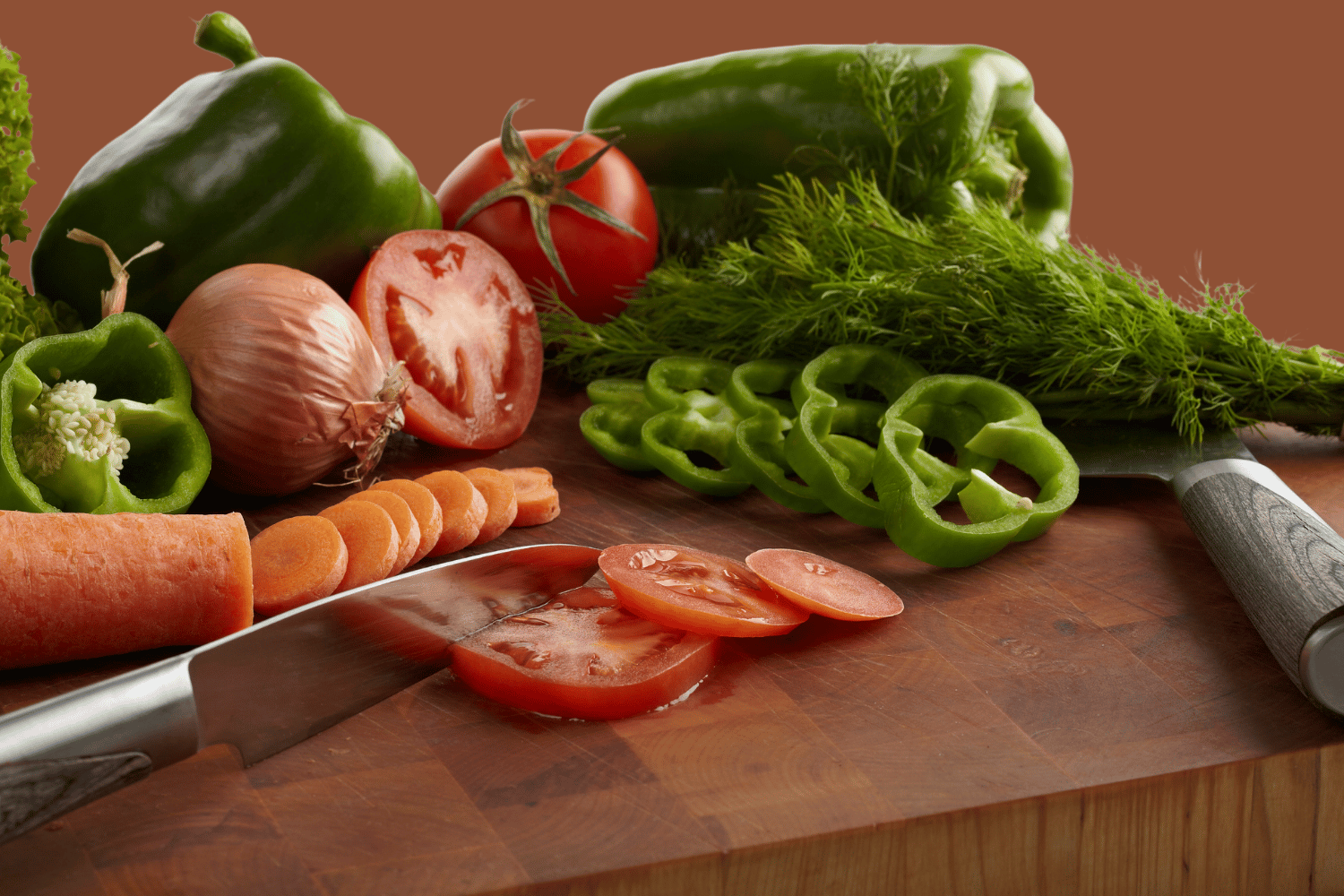
Carrots are often the trickiest part to chop, but with a little technique, it becomes child's play. Start by cutting off the ends, then slice the carrot into sections about 5 to 6 cm long. Next, cut each section into thin strips about 1 cm wide. Finally, stack the strips and cut them into sticks (like fries, but thinner), then into small dice. And there you have it, the first part of your mirepoix!
Step 3: The celery
For celery, the technique is very similar to that of carrots. First, cut the stalks into sections, then into sticks, before dicing them. Celery tends to be more tender, so you'll notice this step goes quickly.
A little anecdote: a chef once told me that he also likes to include celery leaves in his mirepoix to add an extra touch of freshness to his dishes. Give it a try if you like to personalize your recipes!
Step 4: The onions
Onions, however, require a little extra care to avoid ending up with overly large pieces. To begin, cut the onion in half. Then, make vertical cuts without cutting all the way through, followed by horizontal cuts. Finally, cut perpendicular to the previous cuts to obtain small, even cubes. Simple, isn't it?
To avoid watery eyes, a fun trick is to put the onion in the refrigerator half an hour before cutting it, or to hold a metal spoon in your mouth while cutting. It works surprisingly well!
Step 5: Mix everything together and use the mirepoix
Once all your vegetables are diced, simply mix them together. And the aroma is already intoxicating! You can sauté them in a little oil or butter for a perfect base for a sauce or soup. Gentle cooking allows the flavors to meld together.
Speaking of soups, I remember a cold winter evening when I improvised a soup using leftover diced vegetables that were hanging around in my fridge. The result? A rich, comforting broth so flavorful that my guests asked for the recipe. It just goes to show how magical simplicity can be!
Why is dicing so important?
Now that you know how to dice vegetables, you might be wondering why this technique is so essential. The answer is simple: uniformly sized vegetables ensure even cooking. This prevents some pieces from overcooking while others remain raw. Furthermore, dicing vegetables allows their flavors to meld harmoniously throughout the dish. Whether you're preparing a stew, a blanquette, or even a risotto, you'll taste the difference!
So, the next time you're about to cook a delicious stew, think about using mirepoix. It's a simple cutting technique , but it makes all the difference to the flavor and texture of your dishes. As a famous chef once said, "Cooking is an art, and mirepoix is like the brushstrokes of a painting." Using the right kitchen knives makes this technique even more effective and enjoyable.
Get your knives ready!



This site is protected by hCaptcha and the hCaptcha Privacy Policy and Terms of Service apply.