

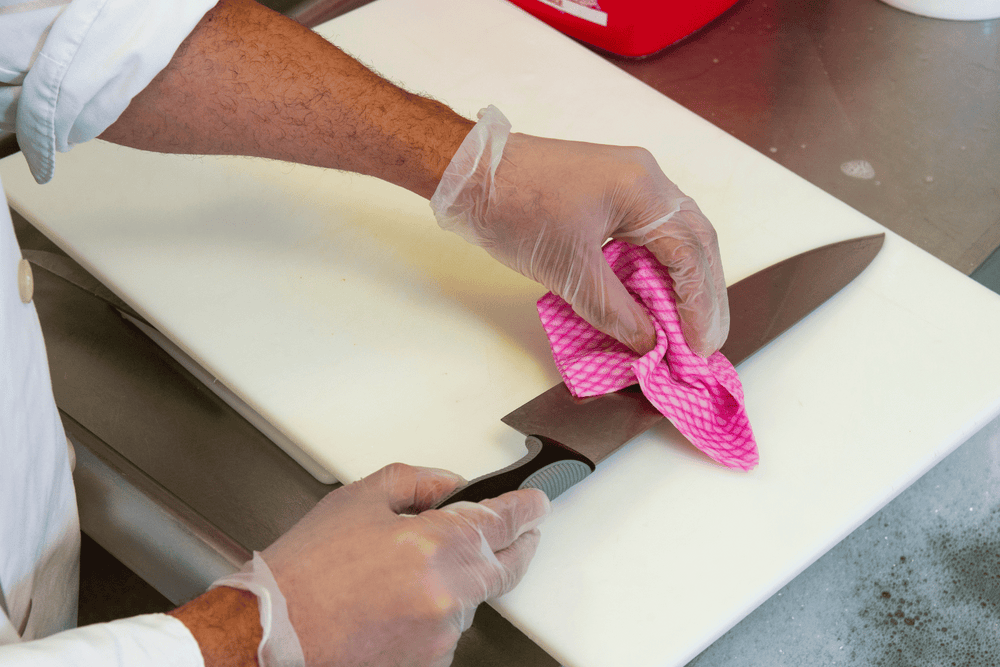
How to clean a blackened knife blade without damaging it
Over time, some knife blades darken due to oxidation, food residue, or prolonged exposure to moisture. A darkened knife may look worn, but the good news is: it's possible to restore its original shine without damaging it. Wondering how to clean a darkened knife blade without harming it? Follow these simple and effective methods to restore your knife without risking the steel.
Why does a knife blade turn black?
Several factors can be responsible for a blade turning black:
- Oxidation: some carbon steel blades react to air and humidity.
- Food acidity: citrus fruits, tomatoes or onions can alter the metal surface.
- Poor maintenance: a knife that is not properly dried or is stored in a humid environment will deteriorate more quickly.
- Excessive heat: Exposure to high temperatures can cause the color of the steel to change.
Proper cleaning will remove these stains while preserving the integrity of the blade.


1. Baking soda: a natural and effective method
Baking soda is a gentle cleaner that removes black stains without scratching the blade.
- Mix a tablespoon of bicarbonate with a little water to make a paste.
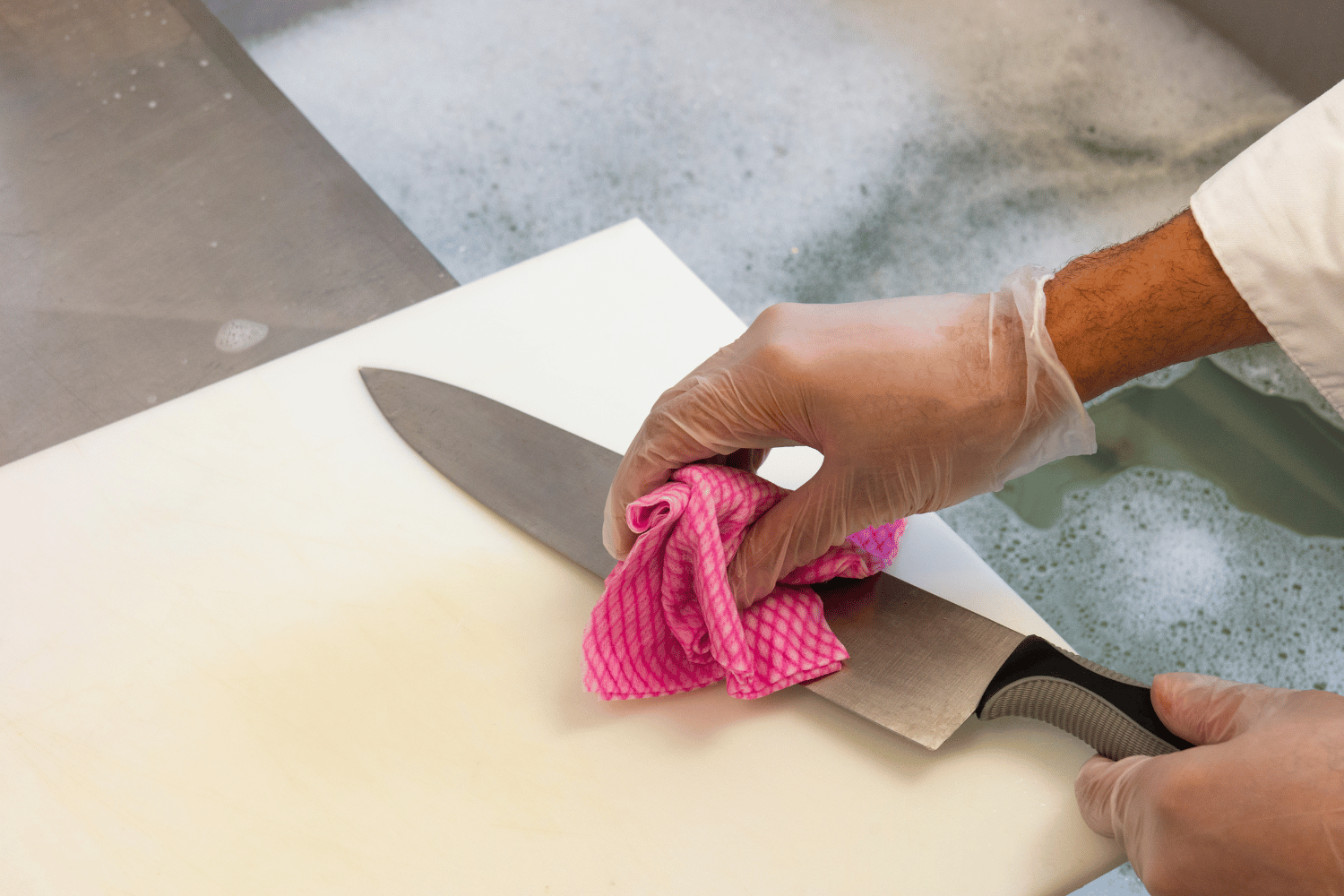
- Apply this paste to the blade with a soft cloth.
- Rub gently using circular motions.
- Rinse with lukewarm water and dry immediately.
💡 Tip: For enhanced action, add a few drops of white vinegar to the mixture.
2. White vinegar: a powerful descaler against oxidation
White vinegar is particularly effective against stubborn stains and oxidation deposits.
- Soak a clean cloth in white vinegar.
- Run it over the entire surface of the blade.
- Leave for a few minutes if the stain is stubborn.
- Rinse thoroughly with clean water and dry immediately.
💡 Caution: Do not soak your knife for too long, especially if it has a wooden handle.
3. Lemon juice: a natural alternative to revive the blade
The acidity of lemon juice helps to gently dissolve black stains.
- Cut a lemon in half and rub the blade directly with the pulp.
- Leave on for 5 minutes before rinsing with lukewarm water.
- Dry thoroughly to avoid oxidation.
💡 Good to know: This method works particularly well on carbon steel knives.
4. Clay stone: a gentle solution for fragile blades
Clay stone is an ideal option for cleaning a blackened blade without damaging it.
- Take a small amount of clay stone with a damp sponge.
- Apply to the blade by rubbing gently.
- Rinse thoroughly and dry immediately.
💡 Why does it work? Clay has cleaning and slightly abrasive properties that remove stains without scratching steel.
5. Toothpaste: a surprising trick to make a blade shine
Little known, toothpaste is an excellent cleaner for removing black stains and restoring shine.
- Apply a small amount of toothpaste to a soft cloth.
- Rub the blade with circular motions.
- Rinse and dry immediately.
💡 Tip: Use a classic white toothpaste, without microbeads, to avoid scratches.
6. Olive oil: for long-lasting cleaning and protection
Olive oil not only cleans a blade, but also protects it against future oxidation.
- Place a few drops of oil on a clean cloth.
- Rub the blade, paying particular attention to the blackened areas.
- Wipe with a dry cloth to remove excess.
💡 Why use it? The oil creates a thin protective barrier against moisture and external aggressions.
7. What should I do if the blade remains blackened despite everything?
If the stains are deeply ingrained, try a more thorough polishing:
- Use a special steel polishing paste.
- Apply it to a soft cloth and rub the blade until the stains disappear.
- Wipe thoroughly with a clean cloth.
💡 Last resort: If your knife is badly damaged, a professional cutler can restore its original shine through expert sharpening and polishing.
How can you prevent your knife from turning black in the future?
After cleaning your knife, adopt these good habits to prevent it from becoming blackened again:
Dry your blade immediately after washing.
Store your knives in a dry, well-ventilated place.
Regularly apply a thin layer of cooking oil to the carbon steel blades.
Avoid prolonged contact with acidic foods without immediate cleaning.
💡 Pro tip: For optimal maintenance, clean your knives after each use and store them in a suitable holder (block, magnetic bar, blade protector).
Conclusion
Cleaning a blackened knife blade without damaging it is entirely possible with natural and effective solutions. Whether you use baking soda, white vinegar, lemon, or clay stone, each method removes stains while preserving the steel.
With proper maintenance and preventative measures, you will extend the life of your knives and keep your blades always impeccable and efficient.
FAQs
How to clean a blackened knife blade?
To clean a blackened knife blade, use baking soda and water. Apply a paste to the blade, rub with a soft cloth, then rinse and dry immediately. White vinegar or lemon juice are also effective at dissolving black stains.
How to clean an oxidized knife blade?
To clean a rusty knife blade, rub it with white vinegar or a paste made of baking soda. Let it sit for a few minutes, scrub with a soft brush or sponge, then rinse and dry immediately to prevent further rusting.
How do you restore a knife blade to its original sharpness?
Restoring a knife blade's shine involves removing stains and polishing the surface. Use white vinegar or lemon juice to dissolve the oxidation, then apply a polishing paste with a cloth to restore the steel's luster.
How can I clean the blade of my Opinel knife?
To clean your Opinel blade, use soapy water and a soft cloth. For an oxidized blade, apply white vinegar or baking soda, rub lightly, then dry immediately. A light coating of cooking oil will protect the blade from moisture.


This site is protected by hCaptcha and the hCaptcha Privacy Policy and Terms of Service apply.