

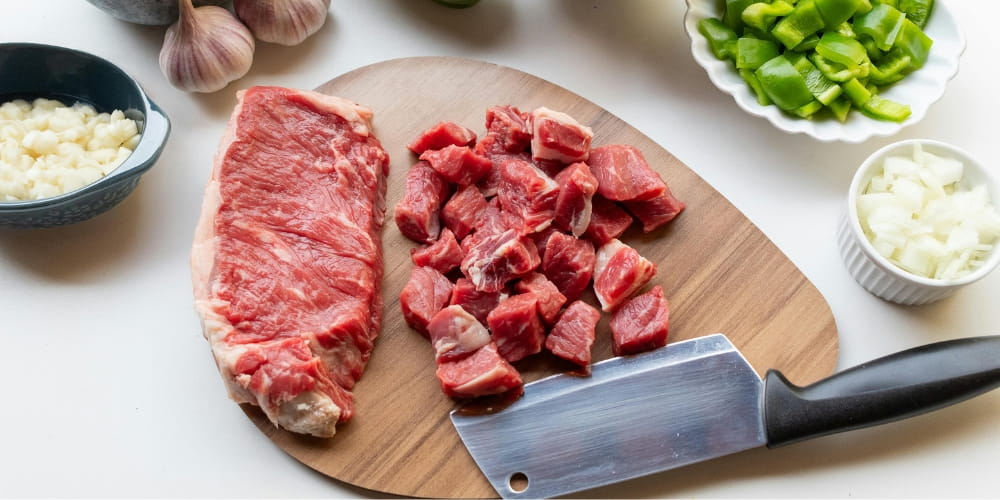
Traditional French-style beef cut
The traditional French butchering of beef excels in its meticulous separation of muscles, respecting the natural grain of the meat to maximize tenderness. Unlike coarser Anglo-Saxon cuts (such as the American "chuck," which groups several pieces together), it divides the carcass into precise quarters: forequarter (forequarter with neck, short ribs, shoulder) and hindquarter (sirloin, leg, top round). Each cut is isolated for optimal cooking—quick for tender cuts, slow for tougher ones—optimizing flavor and texture. The key? Always slice perpendicular to the muscle fibers, so the meat "melts in your mouth."
The main districts and their muscular logic
The carcass is first sawn in half, then into forequarter (rich in collagen for stews) and hindquarter (more prized for grilling). The forequarter includes the neck and short ribs; the hindquarter, the sirloin and leg. This muscle traceability allows for predicting tenderness: muscles that are not used much (tenderloin) remain supple, while those that are worked hard (chuck) require time for the collagen to soften into gelatin.
Pieces for grilling or pan-frying: instant tenderness
These prime cuts, from lightly worked muscles, cook quickly at high temperature (4-8 min per side) for a caramelized crust and a bloody center.
- Fillet: The most tender part, center of the sirloin – ideal pan-fried or as tournedos.
- Sirloin and ribeye: Marbled, tasty – grill with bone for prime rib.
- Rump steak and flank steak: Short fiber, perfect for tartare or grilling.
- Onglet, shank: Tasty and fibrous, to be caught quickly and sliced thinly.
Cuts for roasting: meat-to-fat balance
Bake at 180°C (20-30 min/kg), resting is mandatory for juiciness.
- Slice or roast beef (heart of rump steak): Lean and flavorful, wrapped in bacon.
- Baron's aiguillette: Long and elegant, for festive roasts.
Stewing cuts: patience and deep flavor
Slow cooking (3-4 hours at 90°C) transforms collagen into a soft texture.
- Chuck, rump, round: Stringy shoulder – for beef bourguignon or pot-au-feu.
- Neck, short rib, shin: Abundant collagen – rich stews or soups.


Tips for successful home cutting
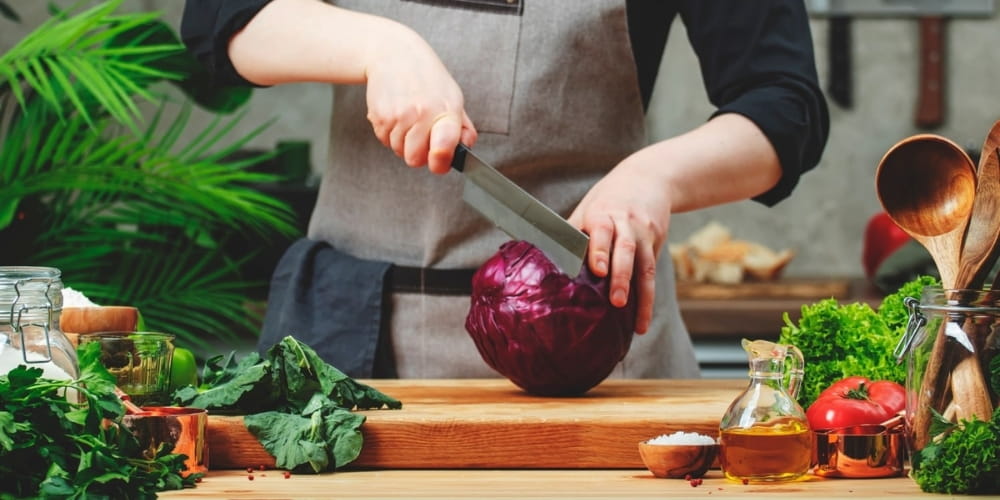
- Tools: Flexible boning knife, rigid slicer , and stable cutting board. Always sharpen!
- Fiber preserved: Identify the grain (white lines) and cut against – test on a steak.
- Storage: Vacuum pack, freeze in portions. Buy from a butcher for traceability.
- Adaptations: For barbecue, aim for rump steak; stewed, chuck steak with ras el hanout spices.
With this method, each bite reveals the terroir of the beef – a true French philosophy!


This site is protected by hCaptcha and the hCaptcha Privacy Policy and Terms of Service apply.