

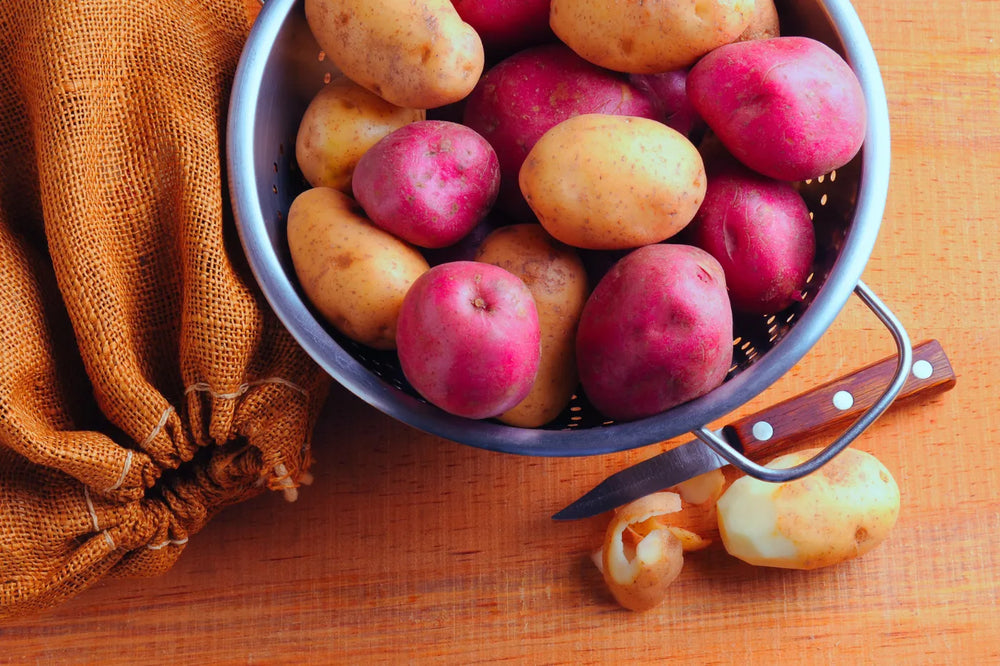
How to choose and use a paring knife
To use a paring knife, choose a blade 7 to 10 cm long and hold it at a 15 to 20° angle. Make 3 to 5 short, even strokes, keeping your fingers curled. Ideal for peeling, chopping, and slicing with precision.
Want to know how to choose and use a paring knife? This small knife is a kitchen essential. Compact, versatile, and precise, it's your go-to tool for countless everyday tasks. But you still need to choose the right one and know how to use it.
In this article, you will discover the criteria for finding the ideal paring knife, best practices for using it effectively, and mistakes to avoid. You will also learn how to maintain it and incorporate it into your recipes for greater comfort and precision.
What is a paring knife?
A paring knife is a small kitchen knife, usually with a straight blade 7 to 10 cm long. Light and easy to handle, it's used for peeling, mincing, chopping, or slicing small foods. It's a natural extension of the hand for precision work.


The advantages of a paring knife
Choosing and using a paring knife offers several advantages:
- Precision: perfect for small, fine cuts.
- Versatility: fruits, vegetables, herbs, cheeses… it adapts to many uses.
- Practicality: small and light, it is easy to handle.
- Accessibility: often more affordable than large knives.
Choosing the right blade size
Size matters when you're looking for a paring knife to choose and use. Most measure between 7 and 10 cm:
- 7-8 cm: ideal for peeling fruits and vegetables.
- 9-10 cm: more versatile, allows for chopping and slicing.
A paring knife that is too large loses its precision, one that is too small limits your movements.
The different types of blades
The paring knife comes in several variations:
- Classic straight blade: for peeling, cutting, and chopping.
- Curved blade (bird's beak): perfect for turning vegetables or making decorative cuts.
- Serrated blade : useful for tomatoes, citrus fruits or thin-skinned foods.
Preferred blade materials
To choose a durable paring knife, look at the material:
- Stainless steel : rust-resistant, easy to maintain.
- Carbon steel: finer cut but requires regular care.
- Ceramic: very sharp, but fragile to impacts.
The handle, an essential criterion
A paring knife should be comfortable to hold. The handle plays a major role:
- Wood : warm, pleasant, but requires maintenance.
- Plastic or resin: practical, lightweight and easy to clean.
- High-end composite: perfect robustness and balance.
Choose a handle that grips well without slipping, even with wet hands.
Comparative table of types of paring knives
| Blade type | Main uses | Benefits | Boundaries |
|---|---|---|---|
| Straight blade | Peel, chop, slice | Versatile and precise | Less decorative |
| Curved blade | Turning, sculpting | Precise technical gestures | Less universal |
| Serrated blade | Tomatoes, citrus fruits | Cut without crushing | Difficult sharpening |
How to hold a paring knife correctly
The grip is simple: hold the handle firmly, but without tensing it, and place your index finger along the blade for better control. To peel or chop, hold the food with your free hand, fingers slightly tucked in to avoid cuts.
Daily usage techniques
Here's how to use a paring knife effectively:
- Peeling: hold the fruit in one hand, the blade in the other, slide the knife smoothly.
- To slice: stabilize the food, make regular cuts while keeping the tip of the blade in contact with the food.
- Chopping: gather the herbs and chop them finely with quick movements.
- Decorating: with a curved blade, create precise shapes for your presentations.
Common mistakes to avoid
- Use the paring knife for tasks that are too heavy (boning, cutting bones).
- Working on a glass board damages the blade.
- Neglecting sharpening: even a small paring knife must remain sharp.
- Cutting in the hand without care.
Maintaining a paring knife
To keep your paring knife in good working order:
- Wash it by hand and dry it immediately.
- Avoid the dishwasher, which wears out the blade and handle.
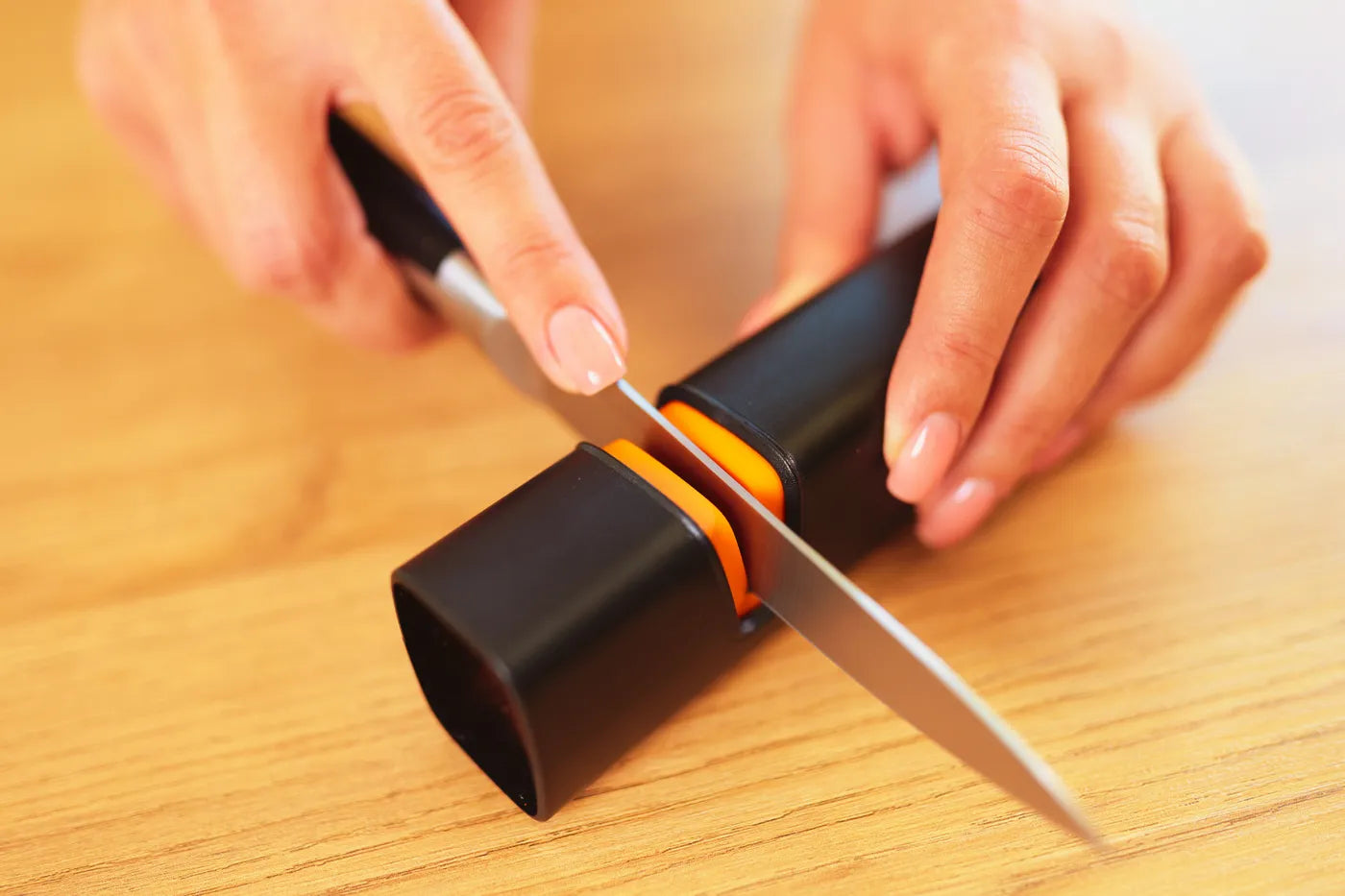
- Sharpen it regularly with a ceramic sharpening steel.
- Store it in a block or on a magnetic bar.
When to use a paring knife rather than another type of knife
A paring knife excels at small, precise tasks. But for chopping large quantities of vegetables, a chef's knife is preferable. For filleting fish, opt for a filleting knife. The key is to choose the right tool for the job.
Ideal recipes using a paring knife
- Fresh tomato salad : cut cleanly without crushing the flesh.
- Chopped herbs: basil, parsley or coriander, finely chopped.
- Fruits to peel: apples, pears, citrus fruits.
- Turned vegetables: carrots, courgettes, potatoes.
You now know how to choose and use a paring knife. This small, discreet tool is an indispensable ally for gaining precision and comfort in your daily tasks.
Invest in a quality knife, learn how to use it, and maintain it regularly. Your cooking will be smoother, your cuts cleaner, and your recipes even better.
FAQ
What size blade should a paring knife have?
Between 7 and 10 cm, depending on your needs, to properly choose and use a versatile paring knife.
Can a paring knife be put in the dishwasher?
It's best to avoid hot water and detergents, as they damage the blade and handle. Clean by hand to properly use a paring knife.
What type of blade should I choose for a paring knife?
A straight blade for versatility, a curved blade for turning, a serrated blade for fruits and tomatoes. These are factors to consider when choosing and using a paring knife.
How to sharpen a paring knife?
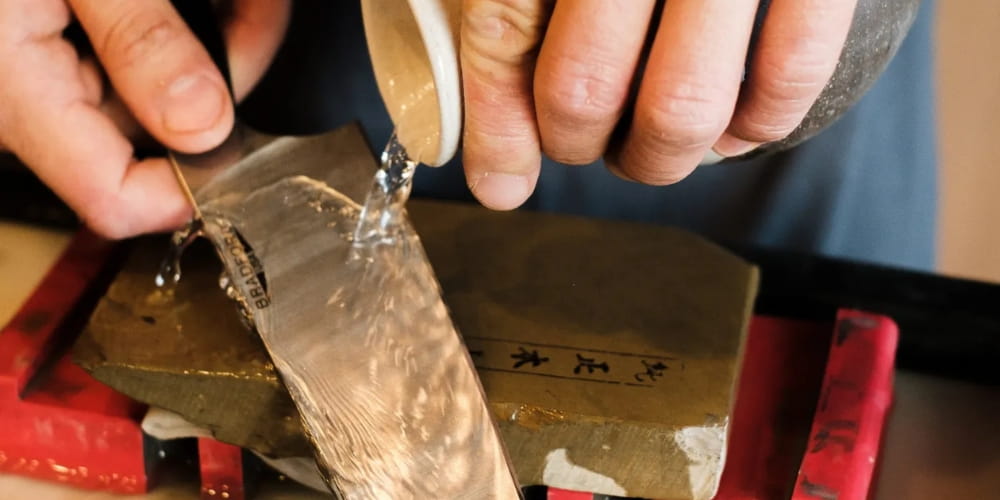
A ceramic honing steel or a fine-grit stone is sufficient to keep a paring knife sharp and pleasant to use.
Can a paring knife replace a chef's knife?
No, it complements. The paring knife is ideal for small tasks, while the chef's knife handles larger preparations.


This site is protected by hCaptcha and the hCaptcha Privacy Policy and Terms of Service apply.