


How to use a fish knife
Did you know that mastering the use of a fish knife can transform your cooking experience? If you've ever tried to prepare a whole fish and ended up struggling with it, this article is for you. Discover how to use this specialized knife to work with precision, save time, and above all, elevate your dishes!
Why a fish knife?
First and foremost, a fish knife is not a useless gadget. This thin, flexible knife is designed to make filleting and deboning fish easier, tasks that are often tricky. Imagine trying to cut a mango with a spoon: it's doable, but why make things more complicated? The right tool makes all the difference.
With a fish knife, you get perfectly cut fillets, with no waste. As a bonus, you impress your guests with your culinary skills – that's always an added bonus!


Prepare your space
First, make sure your workspace is clean and organized. Place a non-slip cutting board and keep a damp cloth handy. It might seem trivial, but a slippery work surface can ruin your chopping… and even be dangerous.
Tip: Choose a plastic cutting board. Unlike wood, it's easier to clean and reduces the risk of contamination.
Understand your knife
A fish knife is distinguished by its thin, slightly curved, and extremely sharp blade. It's designed to follow the contours of the fish precisely. Run your fingers (carefully!) along the blade to feel its flexibility – that's what makes filleting so smooth.
A word of advice: never use this knife to cut hard foods like bones or root vegetables. It could damage the blade!
The cutting technique
Now that you're ready, let's get started. Lay your fish flat on the board. With your fish knife, make an incision just behind the head, following the gills. Then, slide the blade along the central bone, applying gentle pressure.
Here, the key is patience. Take your time to follow the fish's natural curve. If you go too fast, you risk losing precious flesh – and nobody likes to waste anything.
A chef's anecdote: "When I started, I lost half the fillet every time I tried. Then, I learned to let the knife do the work. It's like dancing: you have to follow the movements."
Clean and sharpen your knife
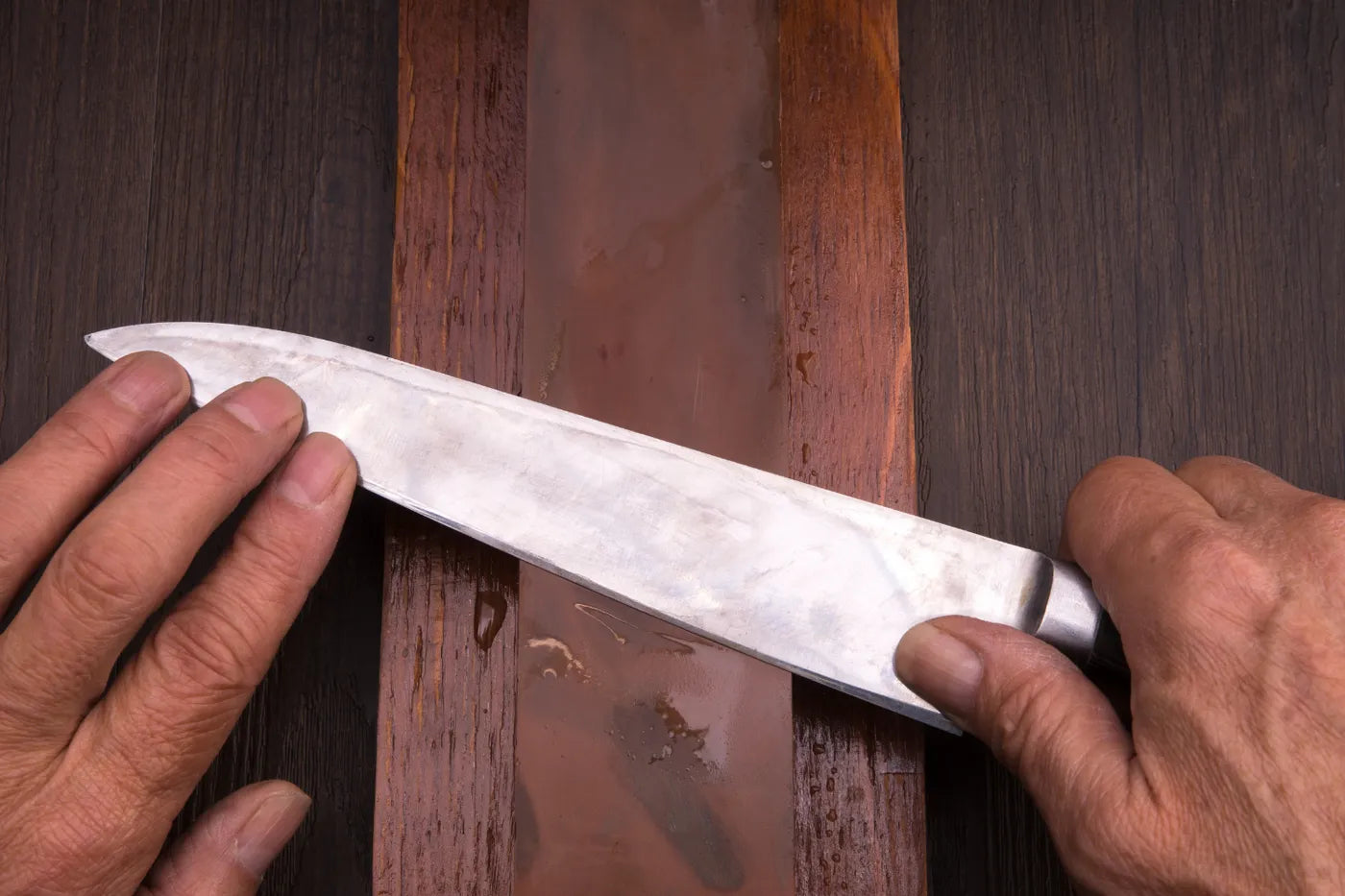
Once your fish is ready, it's essential to take care of your knife . Rinse it immediately with warm water to prevent residue from sticking. Dry it with a soft cloth, then use a knife sharpener to keep the blade razor-sharp.
A simple metaphor to convince you: a poorly maintained knife is like driving a car with bald tires. You can move forward, but it's risky and inefficient.
Why this changes everything
By using a fish knife correctly, you gain efficiency and confidence. Your fillets are clean, your hands stay safe, and you enjoy cooking. And if you're a fan of homemade sushi or grilled fish, this skill is simply essential.
So, ready to transform your evenings in the kitchen? Grab your knife , follow these steps, and soon, cutting a fish will be as natural as buttering a slice of bread!



This site is protected by hCaptcha and the hCaptcha Privacy Policy and Terms of Service apply.