

How to remove rust from a kitchen knife
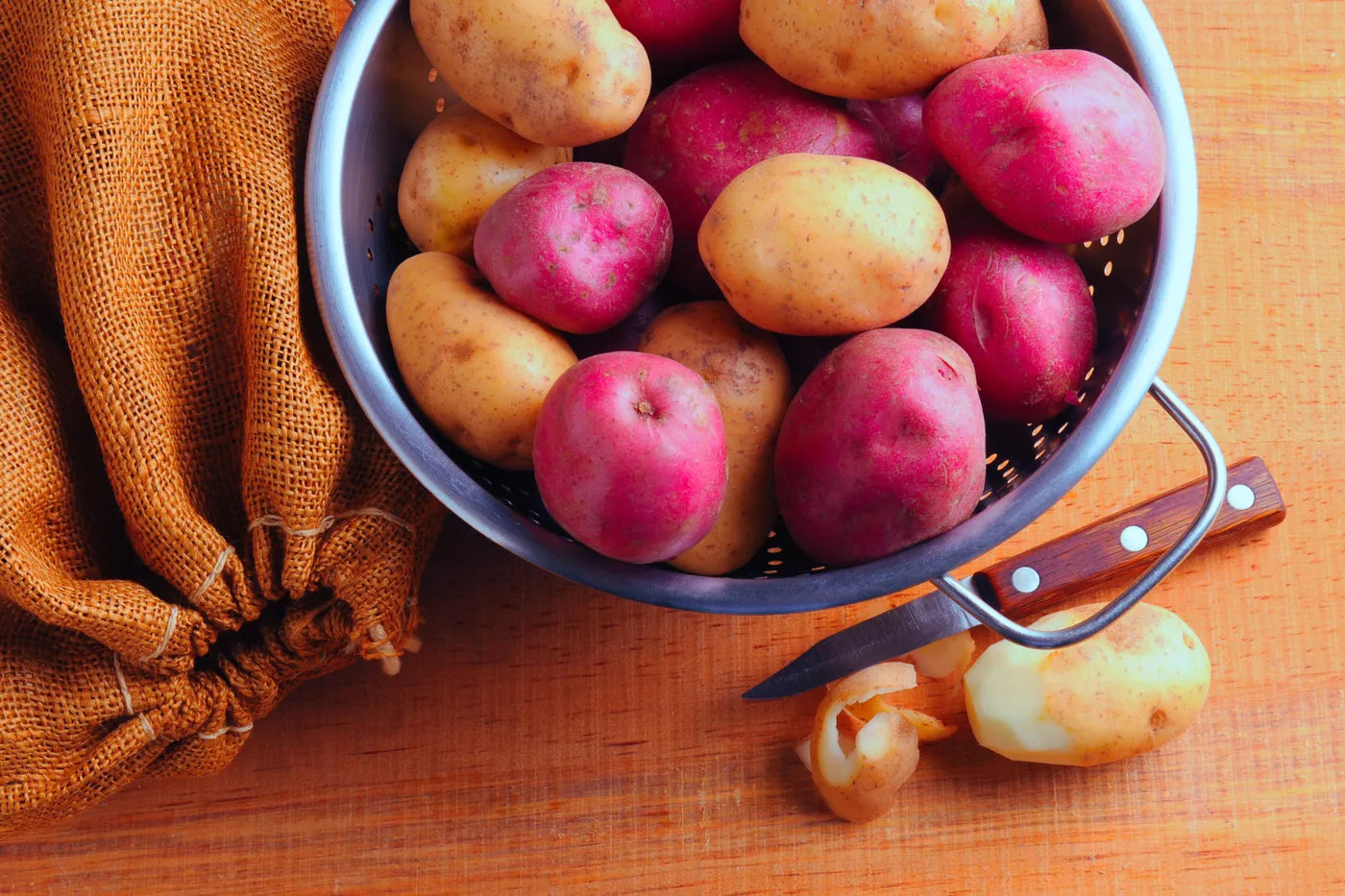
To remove rust from a kitchen knife, use natural methods such as rubbing the blade with a cut potato, lemon juice, or a mixture of hot white vinegar and salt. Let it sit for a few minutes, rub with a sponge or toothbrush, then rinse and dry thoroughly.
Natural Solutions for Light Rust Removal
Surface corrosion can be effectively treated with mild acidic and abrasive reagents. The acidity combined with potato starch, the hot white vinegar-salt mixture, or baking soda paste can dissolve oxidation without altering the steel's finish. Apply, let it sit, brush, and dry thoroughly.


Treatment for Embedded Corrosion
For stubborn stains, controlled mechanical action is necessary. Use fine-grit sandpaper (150-300) moistened or steel wool to remove oxide particles. In case of resistant corrosion, applying turpentine on a cloth can help dissolve residues before final polishing.
Restoring Finish and Edge
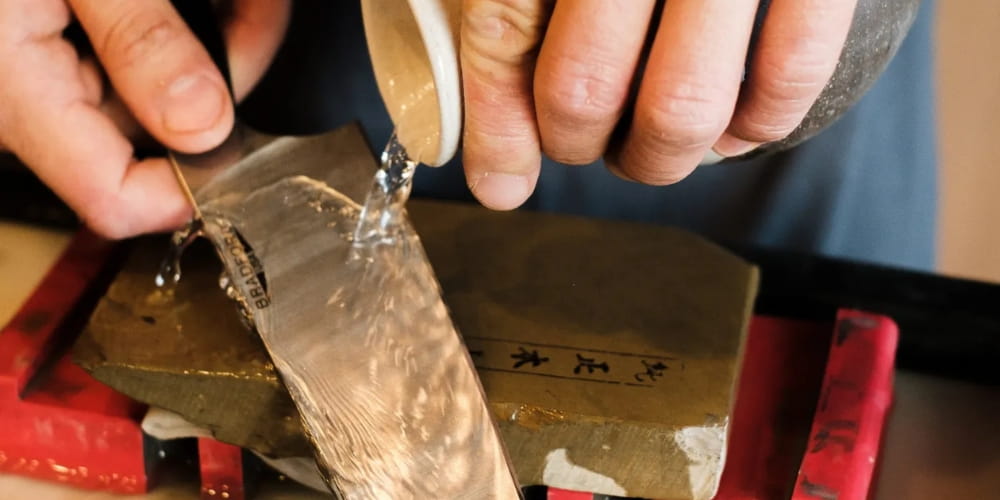
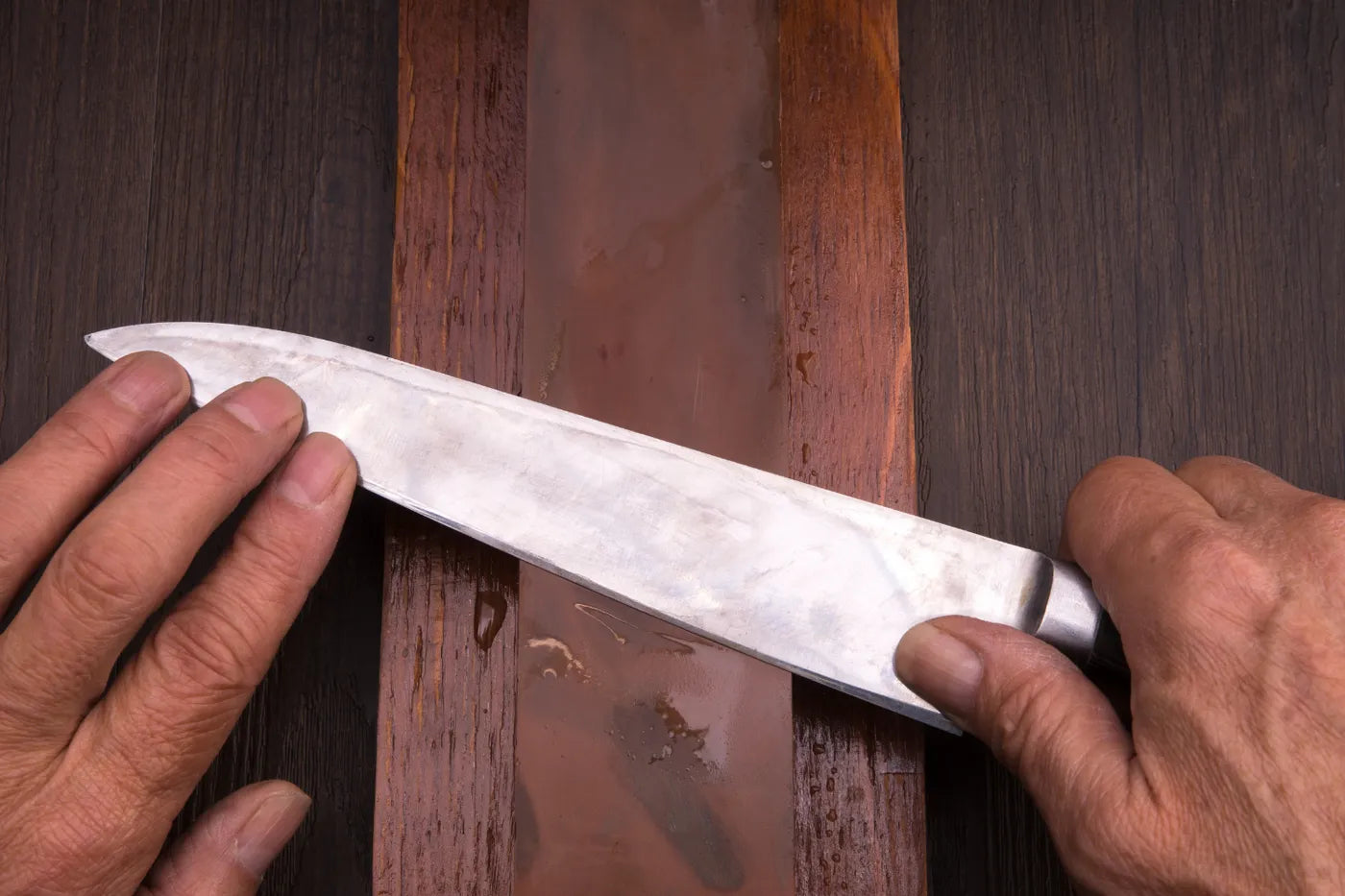
After the rust removal process, the blade surface may show microscopic irregularities. Polishing on a fine-grit stone (8000) or using a stropping leather helps restore the edge's structure. This step is essential to ensure optimal cutting performance and a smooth finish.
Oxidation Prevention Protocols
Prevention remains the primary lever for durability. Never leave a steel blade, especially high-carbon ones, soaking. Immediate drying after each use is required. The preventive application of a thin layer of food-grade oil on the blade creates a hydrophobic barrier against ambient moisture and oxidation.


This site is protected by hCaptcha and the hCaptcha Privacy Policy and Terms of Service apply.