

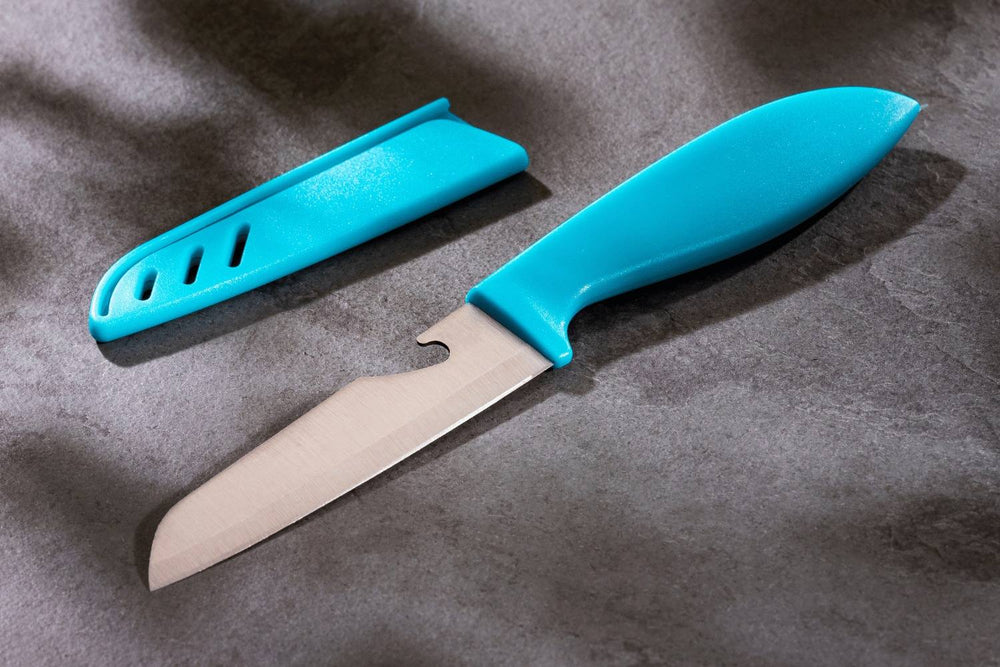
How to protect a knife blade from wear and corrosion
A good knife is a valuable tool, but without proper care , its blade can quickly become dull, rust, or wear out prematurely. Between humidity, food acidity, and improper storage, several factors accelerate the deterioration of the metal. Fortunately, there are simple and effective solutions to keep your blade in perfect condition. Want to know how to protect a knife blade from wear and corrosion? Follow these practical tips to extend its lifespan and maintain an optimal edge.
Why does a knife blade wear down and rust?
Wear and corrosion are the main enemies of knife blades. Here are the most common causes:
- Humidity: Water and steam accelerate oxidation, especially on carbon steel blades.
- Contact with acidic foods: tomatoes, lemons or onions can damage the metal surface.
- Improper storage: storing a knife loosely in a drawer exposes it to impacts and dulling.
- Lack of protection: without a thin protective layer, steel remains vulnerable to external aggressions.
- Improper use: cutting on surfaces that are too hard (glass, ceramic) accelerates the deterioration of the blade edge.
With regular maintenance and a few precautions, you can avoid these problems and extend the life of your knife.


1. Dry your knife immediately after each use
Humidity is the primary cause of corrosion. A simple oversight can be enough to cause small rust spots to appear.
- Wash your knife by hand with warm water and mild soap.
- Dry immediately with a clean cloth, paying particular attention to the blade and handle.
- Avoid letting your knife air dry, especially if it is made of carbon steel.
💡 Tip: For carbon steel knives, wipe the blade with a lightly oiled cloth after drying to enhance protection.
2. Apply a protective oil to the blade
A thin layer of oil protects the blade against moisture and corrosion.
- Use a cooking oil (camellia oil, mineral oil, linseed oil).
- Apply a few drops to a clean cloth and gently rub the blade.
- Leave on for a few minutes, then wipe off the excess.
💡 Why does it work? The oil forms a protective barrier against oxidation and limits the adhesion of food residues.
3. Avoid the dishwasher: an enemy of knife blades
The dishwasher may seem convenient, but it is one of the worst enemies of quality knives.
- Harsh detergents attack the metal and make it more vulnerable to rust.
- Excessive heat and prolonged humidity accelerate corrosion.
- Impacts with other utensils can dull the blade's edge.
Always wash your knife by hand and dry it immediately after washing.
💡 Good to know: Even stainless steel blades are not completely immune to corrosion in a dishwasher.
4. Use a suitable cutting board to preserve the sharpness
The choice of cutting surface plays a crucial role in the longevity of your knife.
- Opt for wooden or plastic boards which absorb shocks better.
- Avoid hard surfaces such as glass, ceramic or marble which quickly dull the blade.
💡 Why? A good support reduces pressure on the knife edge and limits premature wear of the cutting edge.
5. Store your knife properly to avoid impacts
Improper storage exposes the blade to impacts and can cause micro-damage.
- Use a knife block for secure storage.
- Opt for a wall-mounted magnetic bar that protects the blade from friction.
- If you store your knives in a drawer, use individual blade guards to prevent them from knocking against each other.
💡 Tip: Proper storage preserves the sharpness and prevents accidents in the kitchen.
6. Sharpen and hone your blade regularly
A poorly maintained blade wears out faster and becomes ineffective.
- Use a sharpening steel regularly to maintain the blade's edge.
- Sharpen your knife with a whetstone when the edge starts to dull.
- Avoid waiting until the blade is completely worn before taking action.
💡 Why is this important? A well-maintained blade requires less force to cut, which reduces friction and prolongs its lifespan.
7. Store your knives in a dry, well-ventilated place
The place where you store your knives can influence their resistance to corrosion.
- Avoid damp areas such as near the sink or dishwasher.
- Use a silica gel packet or a lightly oiled cloth to absorb the moisture.
- Never leave a carbon steel knife in a leather sheath without protection, as leather can retain moisture.
💡 Good to know: If you store your knives for a long time without using them, apply a thin layer of oil before storing.
8. Regularly maintain the carbon steel blades
Carbon steel knives require special care as they rust more easily than stainless steel.
- Wipe them immediately after washing and apply a protective oil.
- If rust stains appear, use white vinegar or baking soda to remove them.
- Never leave a carbon steel blade in prolonged contact with acidic foods.
💡 Why is this crucial? Carbon steel is prized for its exceptional sharpness, but it is more susceptible to corrosion than stainless steel.
Conclusion
Protecting a knife blade from wear and corrosion requires a few simple but essential steps. By drying your knife immediately, applying a thin layer of protective oil, avoiding the dishwasher, and storing it properly, you will extend its lifespan and maintain its cutting efficiency.
With proper care, your knife will always remain just as efficient and ready to use, whether in the kitchen or outdoors.
FAQs
How can I protect the blade of my knife?
Protecting your knife blade involves wiping it immediately after use, applying a thin coat of cooking oil, and storing it in a dry place. Use a blade guard, knife block, or magnetic strip to prevent impacts and preserve the edge.
How can I prevent a knife blade from rusting?
To prevent a knife blade from rusting, dry it immediately after washing, apply a thin coat of protective oil, and store it in a dry place. Avoid the dishwasher and do not leave the blade in prolonged contact with moisture or acidic foods.
What type of oil should I use to protect a knife blade?
The ideal oil for protecting a knife blade is camellia oil, food-grade mineral oil, or linseed oil. These oils form a barrier against moisture and prevent oxidation without altering the properties of the steel.
How can I maintain the blade of my knife?
Maintaining your knife blade involves cleaning it with warm water and soap, drying it immediately, and sharpening it regularly. To prevent oxidation, apply a thin coat of protective oil and store the knife in a dry, well-ventilated place.



This site is protected by hCaptcha and the hCaptcha Privacy Policy and Terms of Service apply.