

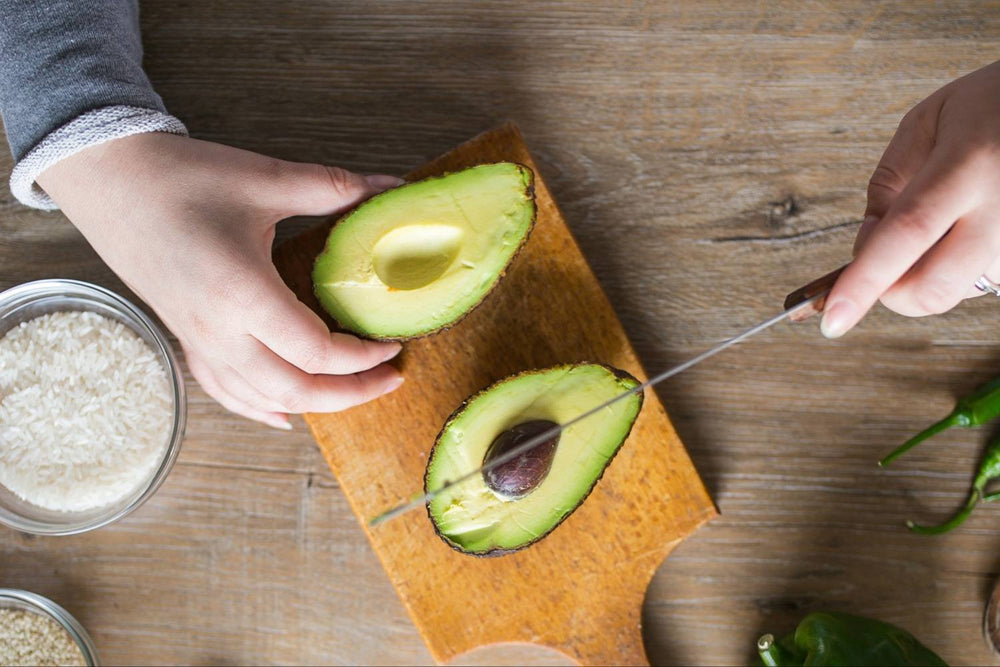
How to cut an avocado into slices, cubes, and strips
Slicing, dicing, or slicing an avocado requires method and precision. This comprehensive guide shows you how to prepare a ripe avocado, choose the right tool, and successfully achieve each cut without damaging the flesh.
How to choose a ripe avocado for easy slicing
A ripe avocado yields slightly to finger pressure without being soft. Its skin should be smooth and its base slightly supple. An avocado that is too hard or too soft makes it difficult to cut and detracts from its presentation.
Signs of maturity:
- Moderately soft to the touch
- Dark skin without black spots
- Base that sinks in slightly
- Sweet odor at the peduncle
A ripe avocado makes all cuts easier and guarantees a perfect texture, without crushing.


What is the difference between lawyer Hass and lawyer Fuerte?
The Hass avocado has a rougher, thicker skin and fattier flesh. The Fuerte avocado has a smooth, thin skin and a more fibrous texture. The choice influences the ease of slicing and the final presentation.
Comparison:
| Variety | Skin | Flesh | Ideal cut |
|---|---|---|---|
| Hass | Thick | Creamy | Slices, cubes |
| Fuerte | Fine | Firmer | Slices, salads |
Choosing the right variety for the intended use improves cutting, aesthetics, and the taste experience.
Why do you have to wait until an avocado is ripe before cutting it?
Cutting an unripe avocado results in hard, difficult-to-slice, and tasteless flesh. A ripe avocado has a soft texture that lends itself to all types of cuts without mushying.
Consequences of premature pruning:
- Brittle slices
- It's impossible to peel it cleanly.
- Bland taste
- Altered presentation
Patience equals precision. Waiting for the right ripeness is the first key to a successful cut.
How to tell if an avocado is too ripe to cut
An overripe avocado is too soft, its skin is speckled with black, and it may give off a rancid odor. When cut, the flesh is brown, fibrous, or mushy. This type of avocado is best used for puréeing.
Signs of an overripe avocado:
- Pasty texture when pressed
- Visible black spots
- Slightly fermented smell
- Skin that peels off too easily
Avoid slicing it: it's better to mash it for a quick sandwich or guacamole.
What tools should I use to cut an avocado cleanly?
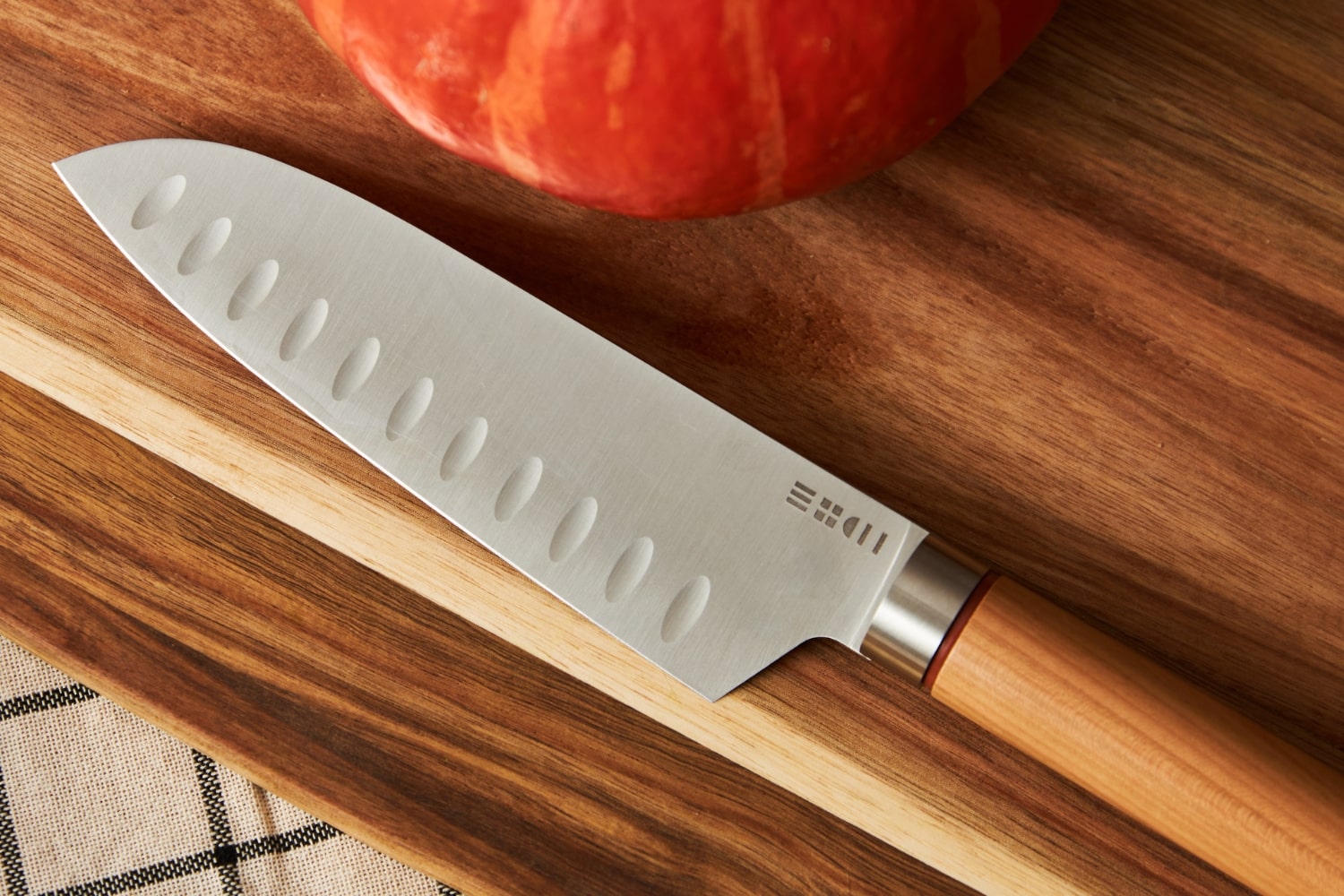
A sharp chef's knife or small paring knife will do. For clean slices or cubes, use a wide spoon or an avocado slicer if you have one.
Recommended tools:
- Chef's knife for cutting and opening
- Tablespoon to remove the flesh
- Utility knife for precise cutting
- Stable and clean board
The right equipment makes cutting faster, cleaner and more aesthetically pleasing from the very first cut.
Should you wash the avocado before cutting it?
Yes, always. Even if the skin isn't eaten, it can contain bacteria that are transferred to the flesh via the knife. A quick rinse under water is all that's needed, followed by drying.
Simple steps:
- Rinse the whole avocado under water.
- Rub lightly with your fingers
- Dry with a clean cloth
This simple step prevents cross-contamination and ensures a clean and hygienic cut.
How to open an avocado without crushing it
Hold the avocado in your hand, gently slice it lengthwise, turning around the pit, then twist the two halves together. Use the palm of your hand, not too much force.
Opening method:
- Place the avocado on the board
- Slice by twisting around the core
- Gently turn the halves over
- Separate without crushing
Mastering this step ensures a clean cut and perfect presentation for the following shapes.
How to safely remove the pit from an avocado
Gently insert the knife blade into the pit and twist to loosen it. If you're a beginner, use a tablespoon to avoid any risk of cuts.
Two safe techniques:
- Knife: blade in the core, rotation
- Spoon: slide under the pit, lift
Use the spoon method if you're not comfortable using a knife. Safety first.
How to cut an avocado into even slices
Remove the skin, place half of the avocado flat side down on the cutting board, then carefully slice into vertical strips. Space the slices according to the desired thickness.
Simple steps:
- Remove the skin
- Place flat side down
- Slice into even strips
- Keep the blade perfectly straight
The slices are ideal for toast, composed salads or elegant presentations.
How to cut an avocado into cubes without damaging it
Keep the skin on, score the flesh with a knife, then scoop out the insides with a spoon. This technique allows you to obtain clean cubes without crushing the avocado.
Quick method:
- Cut the avocado in half
- To grid the flesh in the skin
- Remove the cubes with a spoon
- Avoid cutting too deeply
The cubes are perfect for poké bowls, tartares or fresh toppings.
What is the method for making avocado slices?
After removing the skin, cut the avocado in half, place one half on the board and slice lengthwise into thin, even strips.
Blade guide:
- Use a sharp knife
- Slice lengthwise
- Space the cuts according to usage
- Handle with a flat spatula
The strips bring elegance and precision to garnish or decorate plates.
What cutting shape should I choose depending on the recipe?
Choose the shape according to the culinary use: slices for toast, cubes for salads, strips for plating or sushi.
Form → Use:
| Shape | Ideal for |
|---|---|
| Slices | Sandwich, toast, wrap |
| Cubes | Poke, salad, ceviche |
| Slices | Sushi, decoration |
Adapting the cut to the dish improves the texture, presentation and taste.
How to peel an avocado without damaging the flesh
After opening the avocado and removing the pit, gently slide a spoon between the flesh and the skin, then rotate it. The flesh will come out whole, ready to be sliced.
Trick :
- Use a wide spoon
- Slide gently without forcing.
- Turn until completely detached
This method preserves the integrity of the flesh and facilitates all forms of cutting.
How to prevent avocados from turning brown after cutting
Brush the flesh with lemon or lime juice. The acidic pH slows down natural oxidation. Then store in an airtight container in the refrigerator.
Anti-darkening methods:
- Lemon juice
- Food film in contact
- Airtight container in the fridge
With these steps, your slices or cubes will stay fresh and presentable for longer.
Should you cut the avocado with or without the skin?
Cut slices and strips without the skin. Cut cubes with the skin on, then scoop them out with a spoon. This preserves the shape and reduces crushing.
When to keep the skin on:
| Shape | Skin preserved? |
|---|---|
| Cubes | ✅ Yes |
| Slices | ❌ No |
| Slices | ❌ No |
Following this simple rule significantly improves the presentation of the pieces.
Why does avocado flesh spoil so quickly?
It is rich in unsaturated fatty acids and enzymes, which makes it sensitive to oxygen. Once cut, the flesh browns quickly and loses its texture.
Degradation factors:
- Oxidation in air
- Room temperature
- Absence of protective acid
Cutting just before serving remains the best way to preserve quality and taste.
What are the best knives for cutting an avocado?
A sharp chef's knife or a smooth-bladed knife (like a paring knife) is ideal. Avoid serrated or very small knives that will tear the meat.
Recommended tools:
- Chef's knife (20 cm)
- Utility knife (10–12 cm)
- Smooth blade, stainless steel
- Optional avocado slicer
A good knife makes all the difference in the quality of the cuts.
How to store avocado pieces after cutting
Place the pieces in an airtight container with a little lemon juice. Cover with cling film, pressing it directly onto the surface to limit oxygen. Refrigerate for up to 24 hours.
Storage tips:
- Lemon juice or oil
- Plastic film in contact
- Airtight container in the refrigerator
- Avoid freezing
A well-preserved avocado retains its color, texture, and nutritional value.
What common mistakes are made when cutting an avocado?
Mistakes include: cutting unripe fruit, using a dull knife, peeling too soon, or improperly removing the pit. This compromises both appearance and safety.
To avoid:
- Forcing a hard avocado
- Unsharpened blade
- Core removed without care
- Irregular slices
Correcting these errors improves both the visual presentation and safety in the kitchen.
Can a universal avocado slicer be used?
Yes, but in moderation. These utensils work well for quick slices but lack precision. They are not a substitute for a knife for well-formed strips or cubes.
Advantages and limitations:
- ✅ Quick for slices
- ❌ Inaccurate for cubes/strips
- ❌ Potential meat waste
Use them for simple preparations, but prefer using your hands for an aesthetic cut.
Is it possible to cut an overly soft avocado?
It's possible, but difficult. The flesh gets crushed and sticks to the blade. It's better to use a spoon to scoop it out and mash it directly into a puree or guacamole.
Trick :
- Forget the shapes
- Prepare into a puree
- Add lemon immediately
In this case, forget about aesthetics and opt for a spreadable texture.
What is the best time to slice an avocado in advance?
Slice the avocado just before serving to prevent oxidation. If necessary, prepare it 30 minutes in advance and protect it with lemon juice and cling film.
Recommendations:
- 15–30 min before serving = OK
- Beyond that = risk of browning
- Always keep refrigerated
For a beautiful presentation, cut at the last minute. Otherwise, protect carefully.
What to do with avocado scraps or leftovers after cutting
Transform the scraps into guacamole, toast, smoothies, or a topping. Avoid waste: even mashed, the flesh remains nutritious and tasty.
Anti-waste ideas:
- Guacamole Express
- Avocado toast
- Avocado-banana smoothie
- Salad dressing
Optimize the entire avocado, even the less-than-perfect pieces, in creative cooking.
Conclusion
Slicing, dicing, or slicing an avocado becomes simple with the right techniques, tools, and varieties. This delicate fruit deserves precision and attention for a clean cut and an elegant presentation.
Thanks to this guide, you now know how to choose, open, cut and store an avocado in all its forms.
Adopt these techniques today to enhance your dishes with efficiency and elegance.



This site is protected by hCaptcha and the hCaptcha Privacy Policy and Terms of Service apply.