

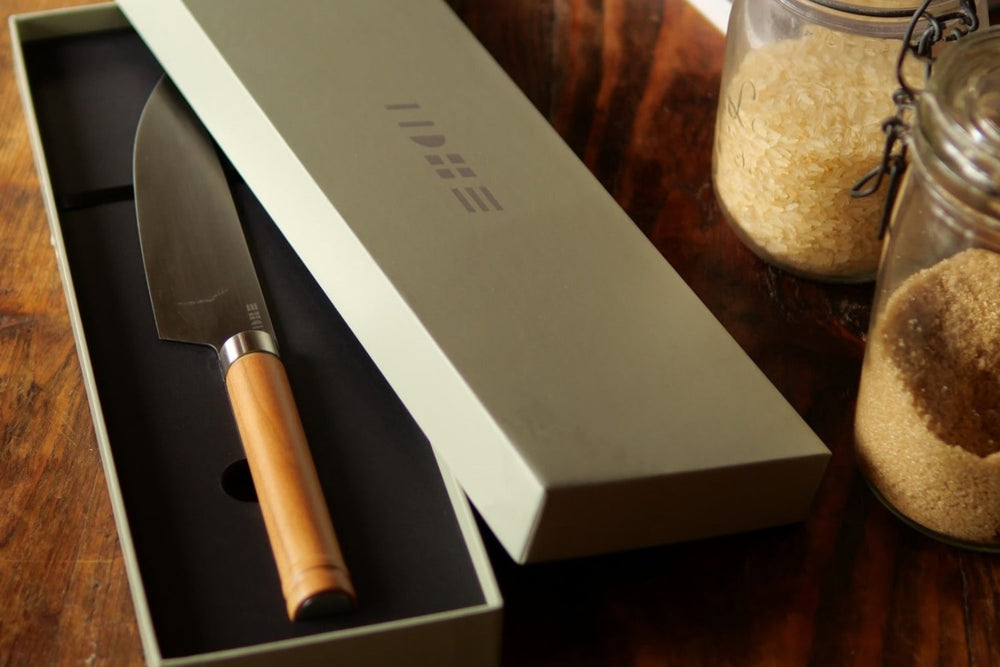
How to choose, use and maintain your chef's knife
The paring knife, also known as a chef's knife in Western tradition, is an essential and versatile kitchen tool for precisely slicing, chopping, or mincing meats, vegetables, fish, and herbs. Choosing the right model, using it correctly, and maintaining it meticulously will prolong its lifespan and prevent accidents, directly related to the safety rules we discussed earlier. For a beginner, think of it as an extension of your hand: its curved blade allows for a natural rocking motion, making tasks smooth once mastered.
How to choose a suitable chef's knife
Choose a blade between 18 and 25 cm long – 20 cm is ideal for a perfect balance between maneuverability and power, suitable for both home and professional kitchens. Opt for a one-piece forged blade with a full bolster for added strength, and a pronounced curve for optimal rocking motion .
Materials matter:
- Stainless steel (such as Nitrox or X50CrMoV15) resists rust and is easy to maintain.
- Carbon steel offers a superior cutting edge but requires vigilance against oxidation.
- Polymer or micarta handles are non-slip even when wet, unlike wood which requires oiling.
Among the iconic brands, you'll find ETCH for its French robustness, Wüsthof or Zwilling for German reliability, Global for its lightweight Japanese design, and Victorinox for excellent value. Test the balance in your hand: the weight should be distributed towards the blade without tiring your wrist during extended use.


Safe and effective usage techniques
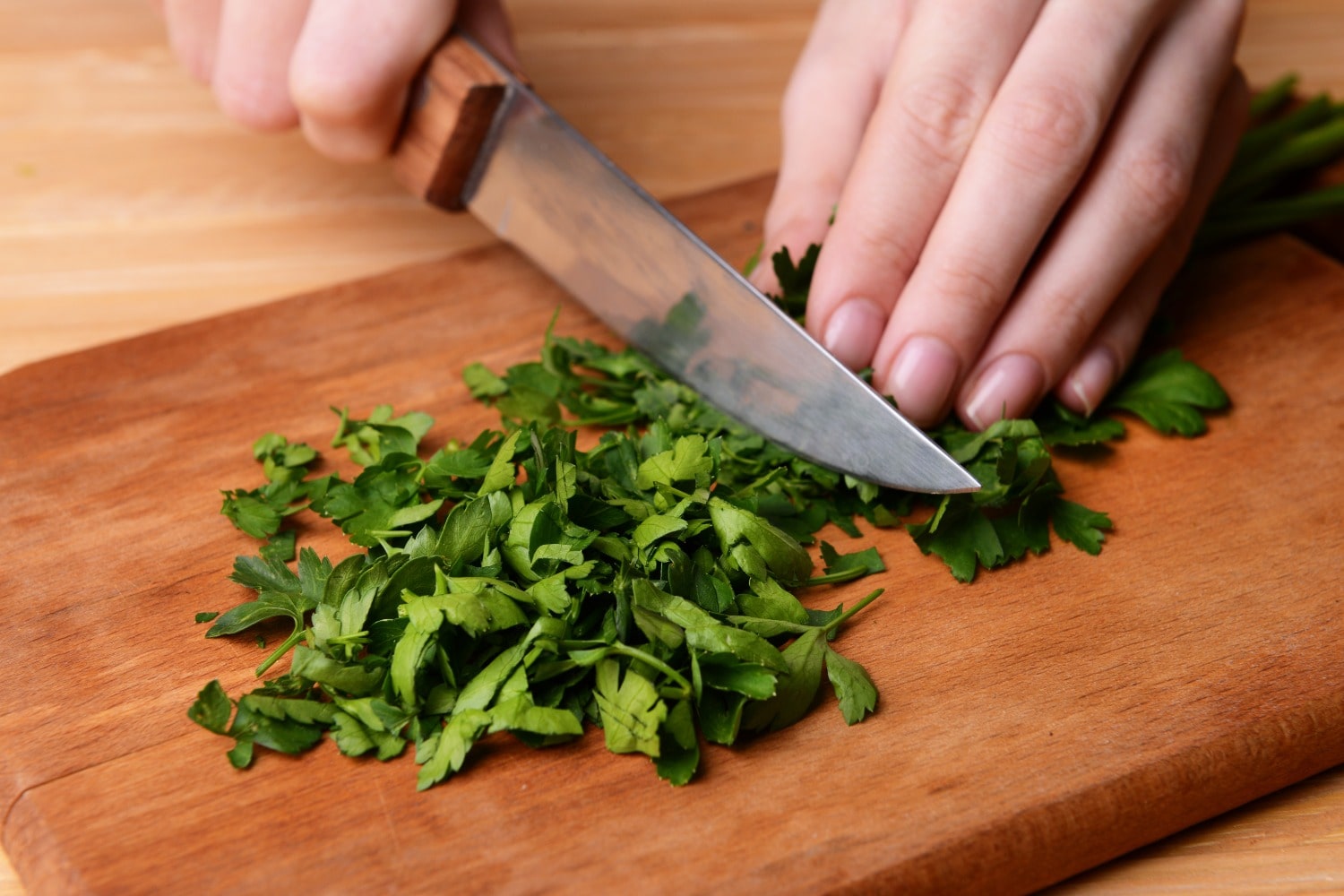
Hold the knife in a pincer grip (thumb and forefinger on the blade, other fingers on the handle) for precise control, and place the knuckles of your free fingers on the food to guide the cut without risk of injury. Use a rocking motion : tilt the blade onto the tip and roll it towards the heel to slice onions or herbs evenly, keeping the cutting edge perpendicular to the stable board.
For thin cuts of meat, slide the blade forward without sawing, applying light and steady pressure. Always follow safety guidelines: use a dedicated work surface, hold your non-dominant hand in a hooked position, and never cut into your palm. With practice, 10 minutes is all it takes to master this technique, transforming a chore into a culinary pleasure.
Maintenance for optimal longevity
After each use, rinse immediately with warm soapy water without soaking (especially for carbon steel), dry thoroughly, and lightly oil with mineral oil to prevent corrosion. Sharpen every 10-15 uses: first on a ceramic honing steel to maintain the edge, then every 3 months on a Japanese waterstone (1000 grit for daily use, 3000-6000 grit for polishing), maintaining a 15-20° angle on each side.
Store the protected blade in a magnetic block or sheath, away from moisture. If light rust appears, rub it with a cork or white vinegar. Regular maintenance keeps the blade razor-sharp and preserves the value of an investment of €50 to €300.
A well-chosen and maintained knife elevates your dishes while minimizing risks, bridging the artisanal history of antique knives with safe, modern practices. Do you have a budget or specific use case (meat, vegetables) for more targeted recommendations?


This site is protected by hCaptcha and the hCaptcha Privacy Policy and Terms of Service apply.