

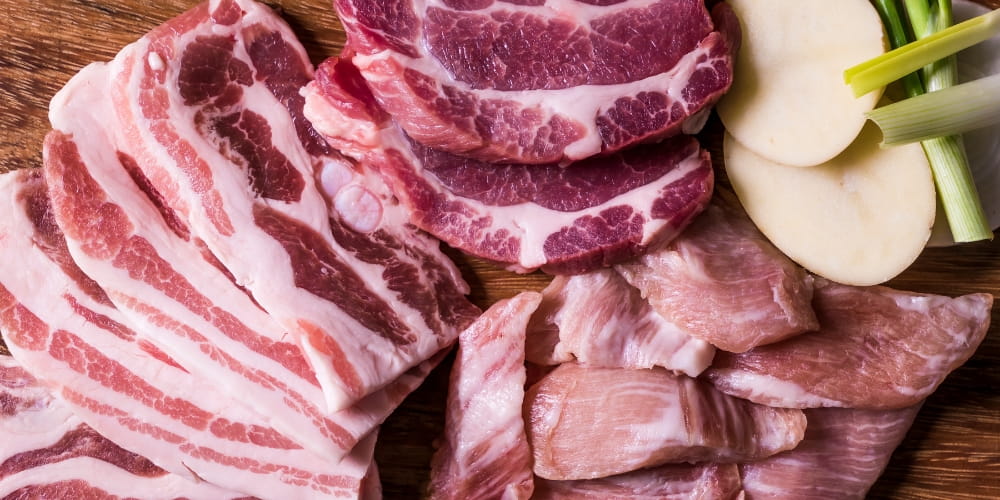
How to carve a raw capon
Carving a raw capon requires precision and a sharp knife to separate the tender pieces without tearing the thick skin of this castrated bird, which is fattier and meatier than a regular chicken. The technique is similar to that of a standard bird, but adapted to the capon's imposing size (3-5 kg), focusing on the breasts, thighs, and wings for even cooking, whether in the oven or a casserole dish. Work on a stable board after rinsing with cold water.
Required materials
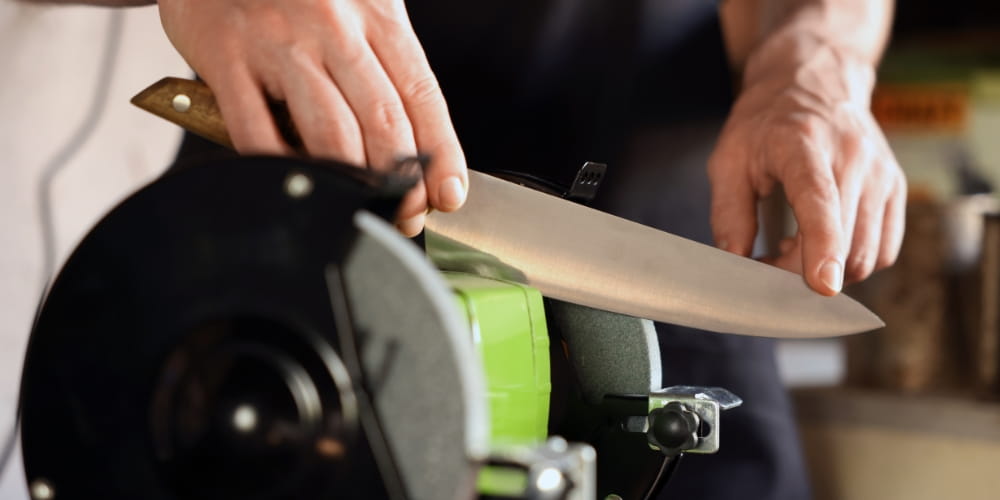
A 20-25 cm chef's knife with a stiff, sharp blade is essential for carving along the bones without excessive effort, complemented by a paring knife for finishing details and poultry shears for the carcass. A thick, non-slip board prevents slipping, especially with the capon's natural fat. Wear gloves if desired for hygiene, and prepare a platter to hold the pieces as you go.


Preparing the capon
Place the capon on its back, legs towards you. Remove the tail and any internal giblets by making an incision in the ventral opening. To simplify, cut off the wing tips at the proximal joint: insert the tip of the knife before the joint and slice cleanly with the heel of the blade. This frees up the boney ends, which are not needed for stock.
Detach the thighs
Grasp one thigh by the skin and pull it outwards to expose the hip joint. Make a shallow incision between the thigh and the breast (supremum) to preserve the skin on the breast, then cut along the back in an arc to the joint. Detach the "sot-l'y-laisse" (meaty pieces near the pelvis) by reattaching them to the thigh: make an incision around them and pull gently. Repeat for the other thigh, which is larger on a capon.
Separate the supremes (white parts)
Make a shallow cut along the breastbone (the prominent V-shaped bone at the sternum) to mark the midline between the two breasts. Run the tip of your knife along the center of this bone, lifting the meat with your thumb to detach it cleanly to the carcass. Remove the fork (the V-shaped shoulder bone) by making incisions on either side. Each breast weighs 400-600g on a capon, ideal for stuffing or roasting.
Finalize the carcass
Open the rib cage with scissors to remove the ribs and back, which will be reserved for stock or soup. Feel the pieces to remove any bone fragments, then rinse them individually. A raw capon typically yields 2 breasts, 2 thighs (which can be separated into drumsticks and thighs), and 2 wings. Salt and season before cooking; the thighs require more cooking time than the breasts.



This site is protected by hCaptcha and the hCaptcha Privacy Policy and Terms of Service apply.