

How to cut meat for Chinese fondue
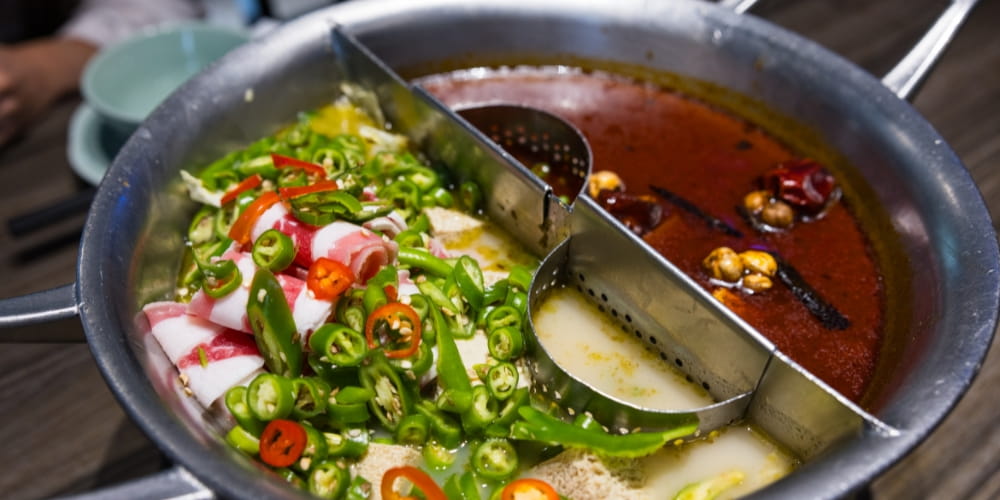
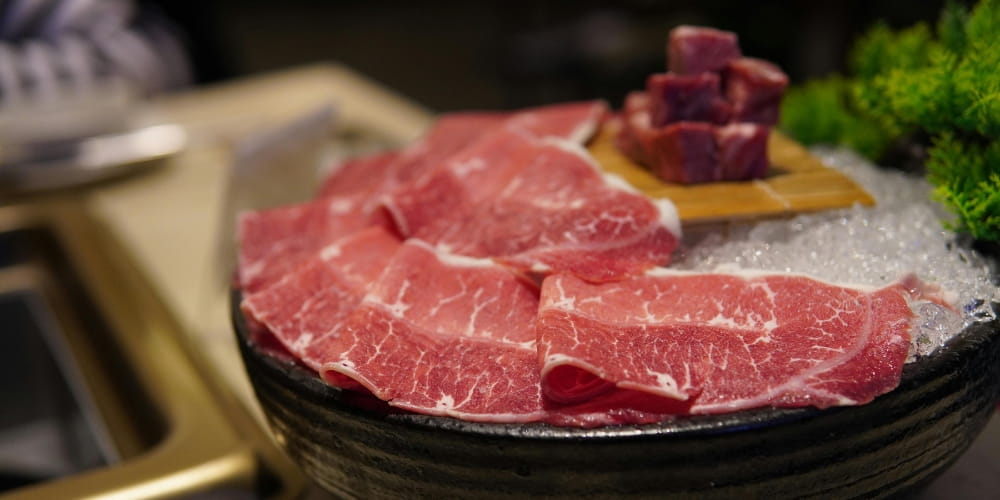
Chinese fondue – or "Oriental fondue" in France – revolutionizes the art of knife-cutting with surgical precision: the meat is sliced into ultra-thin strips of 2 to 4 mm, perpendicular to the muscle fibers, for rapid cooking in a bubbling broth. Unlike Savoyard fondue, where bread is the structural element, here the meat is the fleeting star: it cooks in just a few seconds, remaining juicy and tender without becoming rubbery. This technique, inspired by Asian hot pots adapted for Western tastes in the 1970s, requires a sharp knife and a freezing trick to slice as thin as cigarette paper. Why so thin? To maximize the surface area in contact with the fragrant broth (ginger, lemongrass, spices), infusing flavors and tenderness in a convivial moment around the table.
Why slice thinly and against the grain?
Let's understand the mechanism for getting it right the first time. Muscle fibers (those long strands visible on raw meat) are tough to chew if you cut them lengthwise—imagine stretching a rubber band. By slicing perpendicularly (against the grain), you shorten them, making each bite as smooth as butter. The minimum thickness accelerates protein denaturation: at 60-70°C, the meat goes from raw to perfectly cooked without overheating. For beef (rump steak or tenderloin), aim for 2 mm; go up to 3-4 mm for thicker pork or chicken. This culinary science transforms a simple dish into a sensory experience, where each diner controls their own personal cooking.


Precise steps to cut like a pro
Prepare like a Japanese butcher with these smooth steps. Select quality lean meats: 200-250g per person (pork tenderloin, veal rump, chicken breast). Place them in the freezer for 15-30 minutes: the surface will harden just enough for clean slicing without freezing the center (test with your finger: firm but pliable). Remove, pat dry, and place on a cold board. Sharpen your Chinese or santoku knife (thin blade, 15-20cm). Identify the grain (parallel lines), position the blade at a 90° angle to it, and fan out: a 45° angle for even slices 5-7cm long. Arrange them attractively on a platter, cover with plastic wrap to prevent oxidation. The result: translucent slices ready to dance in the broth.
Expert tips and pitfalls to avoid
To make it shine, try different variations: add peeled shrimp or scallops prepared the same way, or marinate for 30 minutes in soy-garlic sauce for extra zest. Common mistakes? Slicing too thickly (uneven cooking, dry meat), along the grain (stringy texture), or without freezing (irregular pieces, frustrating to spear). Don't overfill the broth either – 4-5 people max per pot. Tip: infuse with harissa for a spicy twist! Allow 1-1.5 liters of broth per meal, adjusting according to the heat (an electric slow cooker is ideal for precise control).
This mastery of carving elevates Chinese hot pot to the level of a festive ritual, perfect for sharing laughter and steaming broths. Ideal for a modern twist on dinner with local meats!



This site is protected by hCaptcha and the hCaptcha Privacy Policy and Terms of Service apply.