

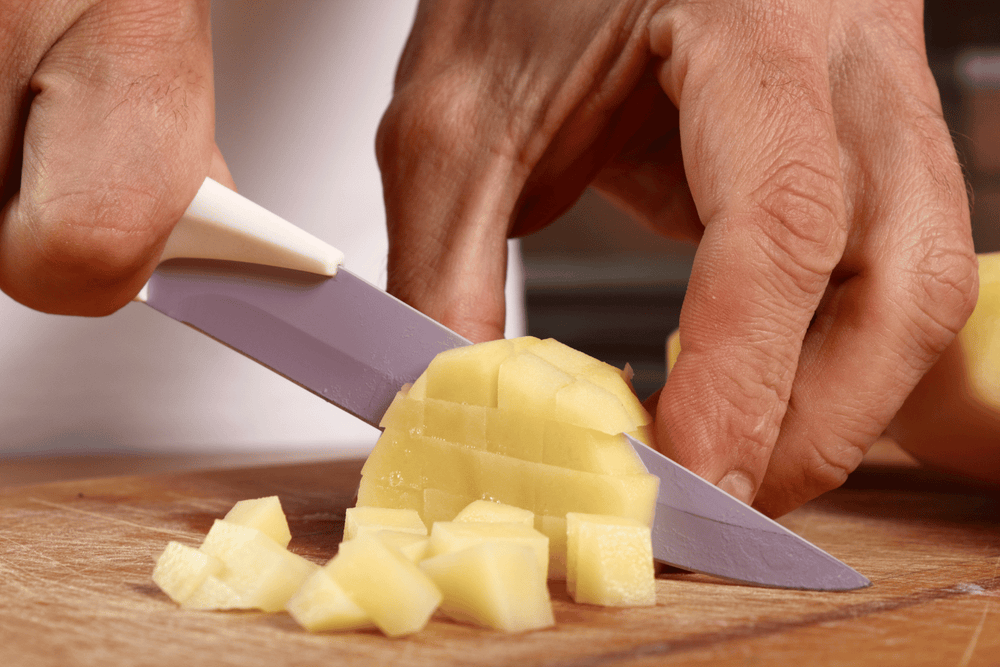
How to dice
Have you ever been in the kitchen, knife in hand, and wondered, "How do I dice like a pro?" Whether you're making ratatouille, a salad, or a gratin, dicing is an essential technique that can seem intimidating at first. But don't worry! With a little practice and a few tips, you'll be dicing like a true chef in no time.
The right knife makes all the difference
First thing to know: you need the right tool. Without a sharp knife, dicing can quickly turn into a nightmare. A chef's knife is often ideal for larger vegetables, while a paring knife (smaller) can be used for smaller ingredients like onions or garlic. Make sure the blade is sharp. This will not only make chopping easier but will also reduce the risk of injury, as you won't need to apply as much pressure.


Dicing: the basic method
Regardless of the ingredient, the basic technique for dicing remains similar. Here are the general steps:
- Peel if necessary : For vegetables like potatoes or carrots, you will need to peel them first. Others, like tomatoes or zucchini, can be left as is.
- Slicing : Place your vegetable or fruit on a flat surface. First, slice it into thick or thin slices, depending on the size of the cubes you want to obtain.
- Cut into sticks : Stack the slices together (be careful, this step can be a little slippery!) and cut them into sticks. This step is crucial, as it ensures that all your cubes will be roughly the same size.
- Dice : Finally, cut the sticks perpendicularly to obtain nice, even dice. There you have it, a perfect cut!
Each vegetable has its own unique characteristics.
Now that you have mastered the basic technique, let's see how to apply these steps to different vegetables.
Dice the tomatoes
Tomatoes are a bit delicate because of their juicy flesh. Here's a tip: use a serrated knife! It will make chopping much easier without damaging the tomato. Remove the core if you prefer firmer dice, then follow the usual steps.
Cut the potatoes into cubes
Potatoes are firmer and therefore require a bit more force. Start by cutting them in half to stabilize them, then follow the basic steps: slices, sticks, cubes. For soups or stews, opt for larger cubes; for a salad, smaller cubes will be perfect.
Dice the onions
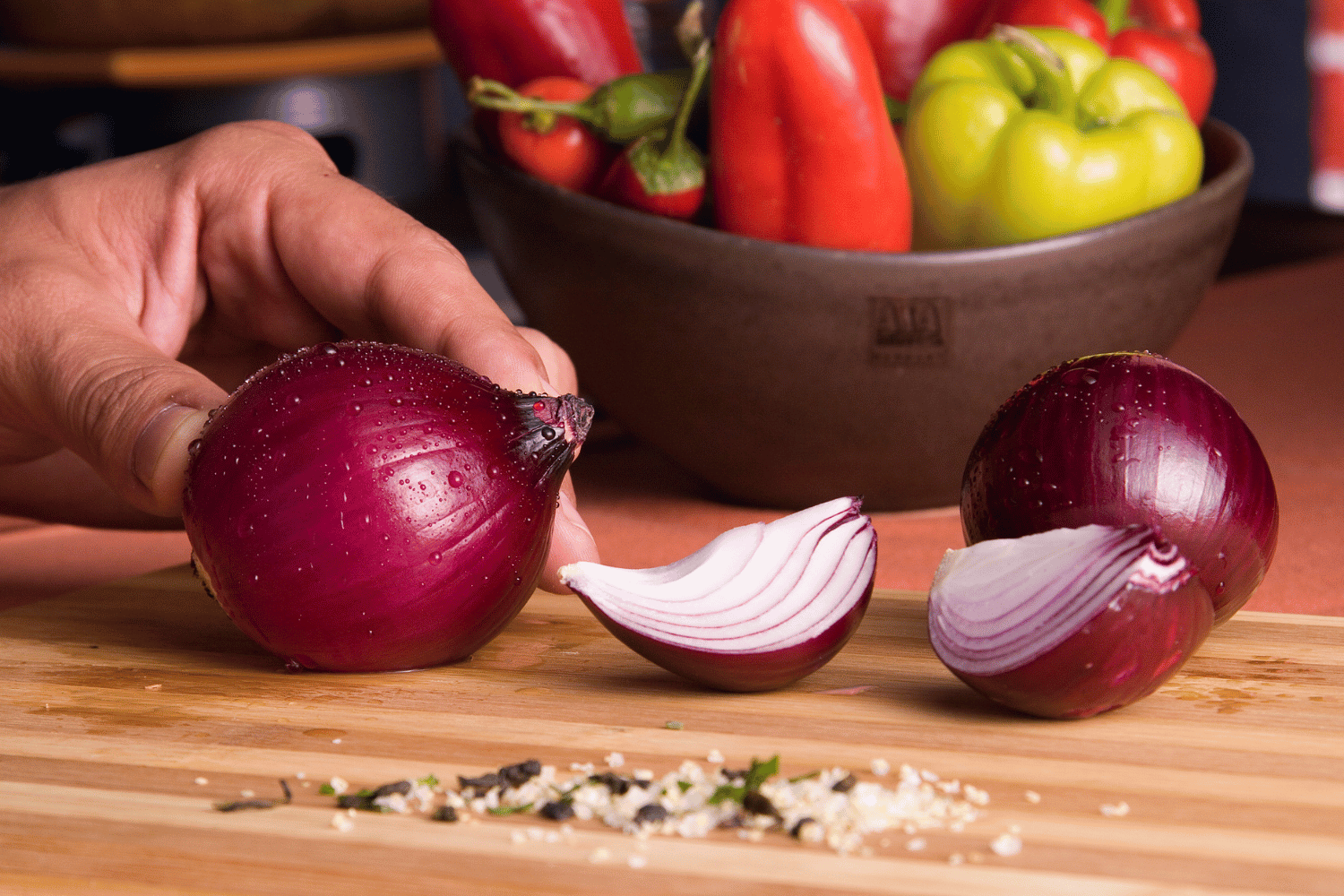
Onions are another kitchen staple. To avoid tears every time you dice an onion, try this technique: cut the onion in half, then make horizontal and vertical cuts without cutting all the way through, before slicing perpendicularly. Voila! Perfect little dice.
Dice the carrots and zucchini
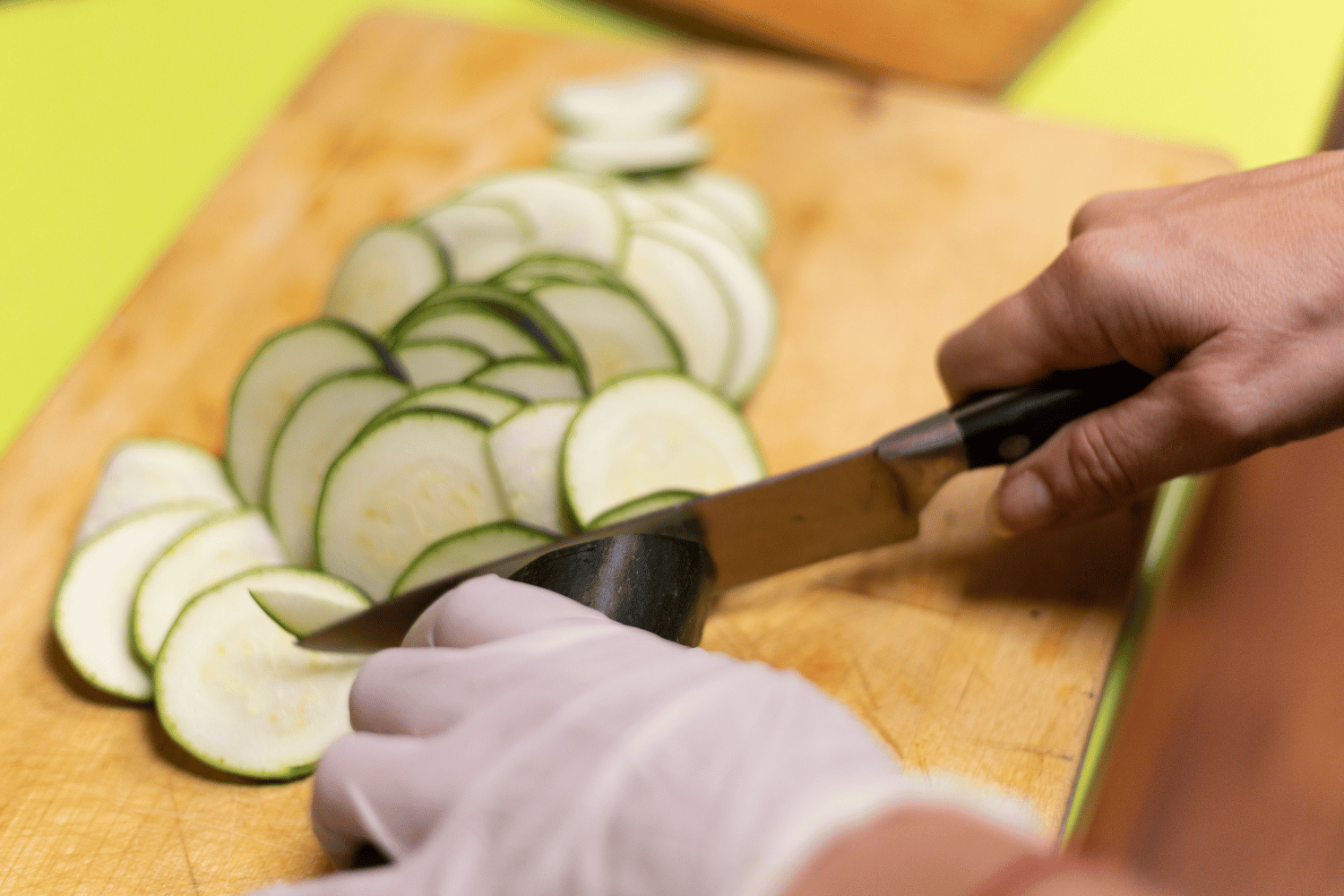
For carrots, peel them first, then follow the same steps. If you're preparing a stew, larger dice are fine, but for a salad, it's best to opt for smaller cubes. Zucchini don't need to be peeled. They're very easy to chop and dice.
Why is dicing important?
You might be wondering: why go to so much trouble to cut the ingredients into uniform dice? The answer is simple: for even cooking and a neat presentation. Imagine you're cooking a soup with different sized pieces of vegetables. The small pieces will become too mushy, while the larger ones will stay crisp. And what about the presentation? Well, uniform dice give your dishes a much more professional look. It makes all the difference!
A few tips for dicing like a pro
- Take your time : There's no shame in going slowly at the beginning. Speed will come with practice.
- Keep your fingers safe : By slightly bending your fingers inwards, you reduce the risk of cutting yourself.
- Work with clean and stable surfaces : Use a non-slip cutting board for added safety.
Conclusion
Dicing is a skill every cook, amateur or professional, should master. It might seem a little tedious at first, but with the right cutting techniques and kitchen knives , you'll become faster and more precise every time. So, the next time you're making a tomato salad, potato soup, or eggplant stew, keep these tips in mind. Enjoy your meal and happy chopping!


This site is protected by hCaptcha and the hCaptcha Privacy Policy and Terms of Service apply.