

The 10 best Japanese knife brands in 2026
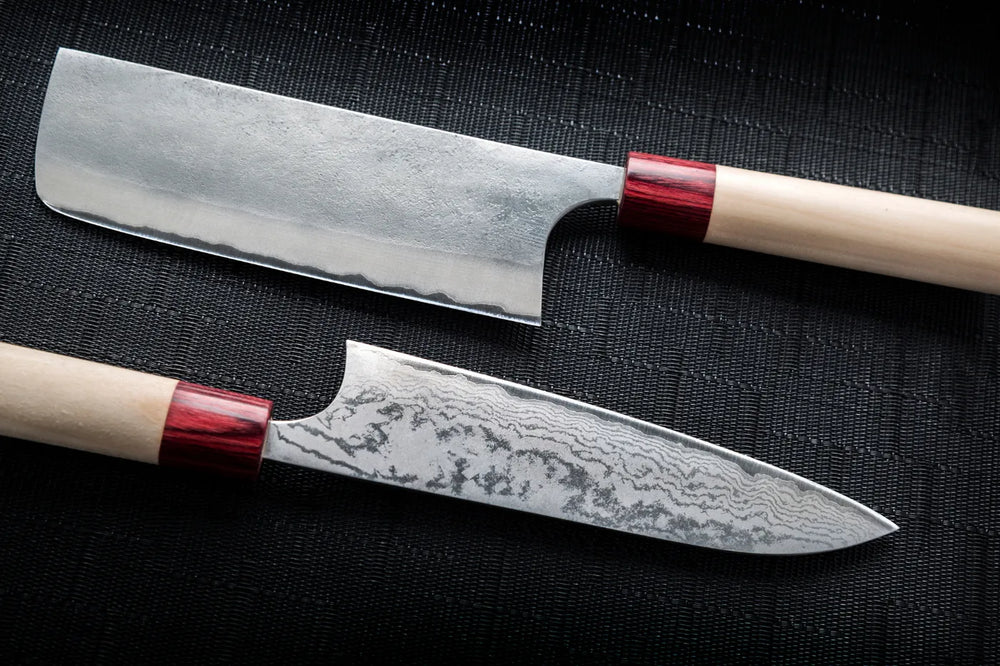
Japanese knives will dominate the high-end cutlery market by 2026 thanks to their unique combination of traditional forging techniques from Seki or Sakai and advanced steels like VG10 or SG2, offering a razor-sharp edge with fine angles (15° per side) that enhance precise cuts in the kitchen. This list presents the 10 best brands, ranked by overall excellence (performance, innovation, professional reviews), with explanations of their strengths to guide your choice based on budget and intended use.
Kai (Shun)
The undisputed leader, Kai excels with its Shun Classic range of VG10 Damascus steel knives (61 HRC), hand-forged for an iconic wavy pattern and exceptional edge retention on gyuto or santoku knives. Perfect for discerning chefs, these thin blades (2-3 mm) slice tomatoes or fish effortlessly, despite a premium price justified by 100+ layers of steel and a double-beveled honbazuke edge.


Overall
A pioneer in one-piece design using Cromova 18 stainless steel (56-58 HRC), Global impresses with its lightness (90g for a 20cm chef's knife) and perfect balance, ideal for effortlessly chopping herbs or meat. Forged in Niigata, these modern knives are corrosion-resistant and easy to sharpen, a versatile choice for cooks from amateur to professional, despite a hollow handle that can be slippery when wet.
Miyabi (Zwilling)
A Japanese-German fusion of Seki and Miyabi, these knives shine with SG2 or MC63 steel (63-66 HRC) in crimped Damascus patterns (64 layers), offering extreme hardness for an edge that lasts for months on nakiri or yanagiba blades. Their cryodeformation and non-slip Tsuchime polishing make them robust works of art, ideal for professional precision without excessive fragility.
Tojiro
Offering the best value for money in Japan, Tojiro dominates with its DP Series in VG10 or 37-layer Damascus steel, produced in Sanjo. These ultra-thin blades, hardened to 60 HRC, rival high-end models at half the price. Excellent for beginners learning Japanese (DP santoku knives start at €100), these versatile knives excel in edge retention and are easy to sharpen on a whetstone.
Yaxell
Niigata-based craftsman Yaxell impresses with his Ran and Super Gou knives (VG10 + 133-layer Damascus steel, 61 HRC), where the hammered forging creates a natural grip for delicate cuts like sashimi. High-end yet accessible, they surpass expectations in aesthetics and durability, perfect for collectors seeking an uncompromising balance between tradition and modernity.
Misono
A favorite among professionals since 1938 (Seki), the Misono UX10 Gyuto, made of molybdenum-vanadium steel (59-61 HRC), offers perfect geometry for precise push-cuts, with an ergonomic octagonal micarta handle. Robust enough for soft bones, this handcrafted knife prioritizes durability and easy sharpening, making it a must-have for butchers and intensive chefs.
Kasumi
Pure elegance from Seki, the Kasumi VG10 Damascus (61 HRC) captivates with its mirror finish and cloud-like patterns, ideal for office or petty work where finesse meets absolute control. More affordable than Shun, these lightweight blades excel in vegetable precision, though they require regular sharpening to maintain their superior luster.
MAC
A cult favorite among Michelin-starred chefs (Kyo no Otomodachi in high-carbon steel, 60 HRC), MAC prioritizes unparalleled initial sharpness through honbazuke forging, often surpassing Global in finesse for herbs or fillets. Originating from Sakai, this underrated brand shines in everyday versatility, with a balance that transforms cooking into a fluid art.
Yoshikin (Bunmei)
A quintessential traditional knife in Sakai, Yoshikin offers honyaki or kasumi-uchi in Aogami Blue #2 (63-65 HRC), naturally patinated for a purist edge on deba or usuba knives. Authentic and affordable, they appeal to purists for their hand-forged character, despite the need for careful rust maintenance.
Kanetsune
A reliable choice from Seki, the Kanetsune KB or KC series in VG10 Damascus steel (60 HRC) offers premium craftsmanship at an affordable price, with hammered blades for optimal grip on santoku or chef's knives. Ideal for semi-professionals, this brand is poised for growth in 2026 thanks to its durability and accessible designs without sacrificing Japanese performance.
Quick comparison of top brands
| Rank | Brand | Lighthouse steel | HRC | Price (chef 20cm) | Ideal for |
|---|---|---|---|---|---|
| 1 | Kai (Shun) | VG10 Damas | 61 | 150-300€ | Daily Premium |
| 2 | Overall | Cromova 18 | 57 | 100-200€ | Modern beginners |
| 3 | Miyabi | SG2 | 64 | €200-400 | Luxury professional |
| 4 | Tojiro | VG10 DP | 60 | 80-150€ | Value for money |
| 5 | Yaxell | Gou | 61 | 150-250€ | Esthete |
| 6 | Misono | UX10 | 60 | 150-250€ | Robust pros |
| 7 | Kasumi | VG10 | 61 | 100-200€ | Fine precision |
| 8 | MAC | Top C | 60 | 120-220€ | Michelin-starred chefs |
| 9 | Yoshikin | Aogami #2 | 64 | 100-200€ | Tradition |
| 10 | Kanetsune | VG10 Damas | 60 | 70-150€ | Affordable premium |
Choose according to your preferred steel (VG10 for easy stainless steel, SG2 for extreme) and test them in store: a good Japanese knife glides like butter. Avoid Chinese imitations without the Seki hallmark; prioritize cherry or micarta handles for a durable grip with Nitrox or Damascus steel .



This site is protected by hCaptcha and the hCaptcha Privacy Policy and Terms of Service apply.